
Baltic states arm for Russian threat as leaked letter shows growing fears
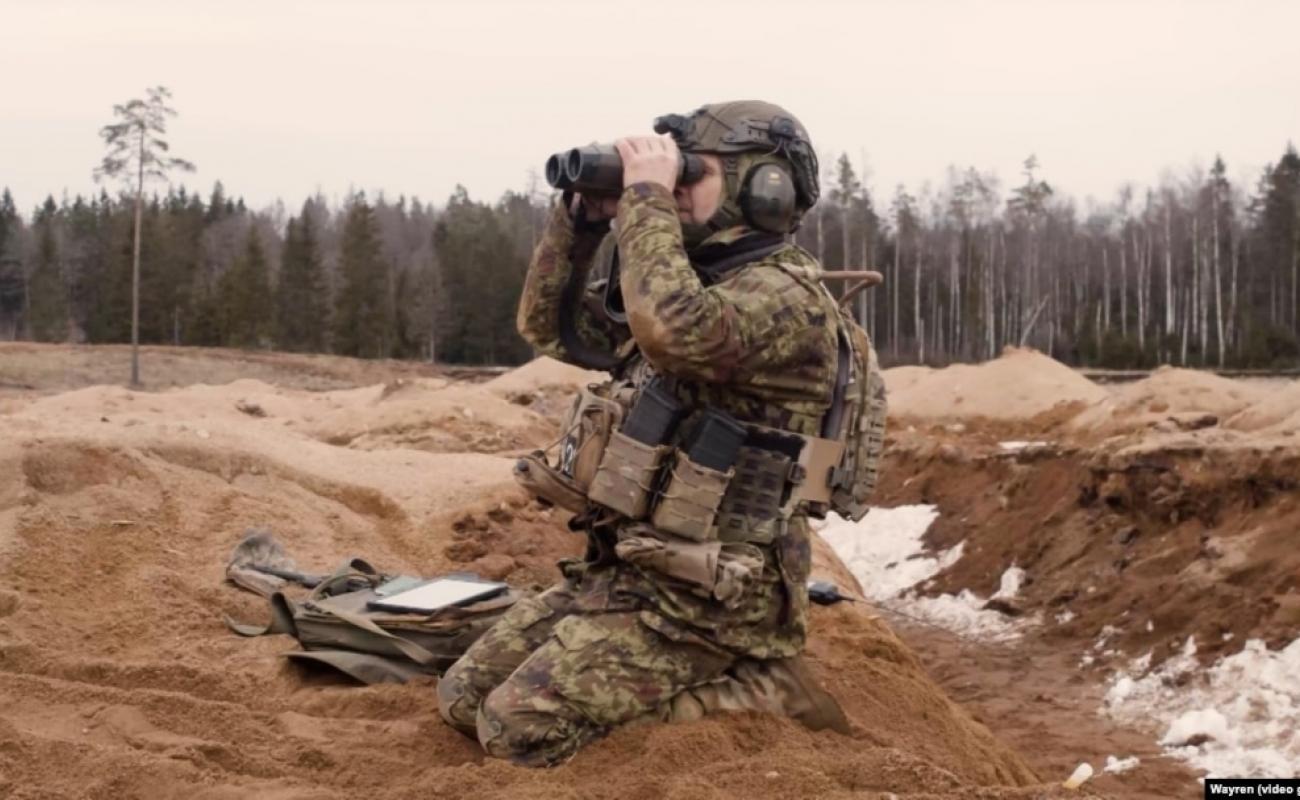
A letter seen by RFE/RL, partners of LRT English, reveals growing concern about Russian aggression in the Baltic states, speaking of a "deteriorating security environment" amid an "increased frequency of airspace violations and drone incursions".
The letter was sent to European Commission President Ursula von der Leyen and signed by the three Baltic European commissioners, Kaja Kallas, Andrius Kubilius, and Valdis Dombrovskis, as well as the Polish and Finnish commissioners.
Dated July 30, the letter was one of a series of alarm bells sounded about Russian aggression over the course of the summer that culminated in CIA Director John Ratcliffe's surprise visit to Moscow on August 25.
Ratcliffe flew to Moscow to urge the Kremlin against escalating with US allies -- particularly Estonia, Latvia and Lithuania -- sources briefed about the visit confirmed to RFE/RL on August 26.
This follows reporting by The Wall Street Journal on August 6 that cited US intelligence stating that Russia may test NATO resolve with a limited incursion as early as this fall.
Baltic diplomats who spoke to RFE/RL on condition of anonymity confirmed that there was additional intelligence during the summer of Russian false flag operations but no indication about an imminent conventional attack.
They were also keen to point out that such operations might not be limited to the Baltics, a concern reinforced by recent cases of alleged or suspected Russian involvement in assassination attempts, fires, and drone incursions in several NATO countries, including Germany, Poland, and Slovakia.
How prepared are the Baltics?
At first glance, the three Baltic states – Latvia, Lithuania, and Estonia – seem ideally placed to counter any type of Russian attack.
They have long warned about and planned for various forms of Russian malign activity. All three have reached or will soon reach NATO’s 2035 target of spending 5 percent of GDP on defense. On top of that, the EU has pledged and begun channeling roughly $14 billion of loans for defense and security investment in the region.