
Targeted Strikes on Bortnychi: Why Is Russia Attacking Kyiv’s Water Treatment Plants?
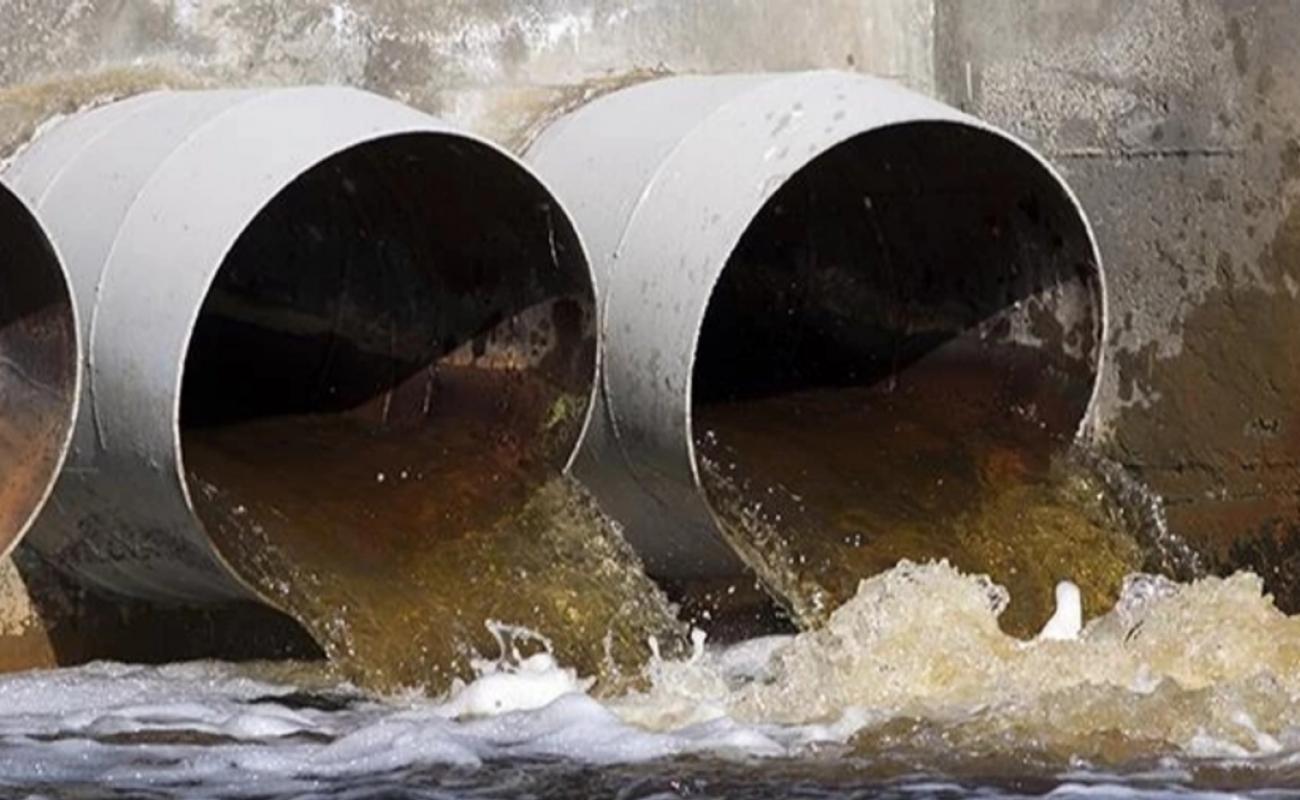
The Russians have once again launched ballistic missiles at the Bortnytsia aeration station. This is yet another strike over the past year, indicating a systematic campaign targeting a single location. Let’s take a closer look at what their likely intent might be.
Ed. Dmytro Lykhoviy, spokesperson for the General Staff of the Armed Forces of Ukraine, has denied reports that the Bortnytsia aeration station in Kyiv was hit overnight.
The Bortnytska Plant is the sole wastewater treatment facility serving Kyiv and the surrounding towns and villages in the region, including Vyshhorod, Irpin, Vyshneve, Hnidyn, Shchaslyve, Chabany, Kotsyubynske, Sofiivska and Petropavlivska Borshchahivky, and Hatne. The design capacity is approximately 1.8 million cubic meters per day, while the actual load ranges from 600,000 to 900,000 cubic meters. There is no backup system, essentially because no one has thought about it since independence.
Many people reassure themselves that a treatment plant is difficult to physically destroy. That’s only half true. Reinforced concrete aeration tanks and settling tanks can indeed withstand a great deal. The enemy understands this perfectly well and has no intention of smashing concrete.
The plant is not a reservoir; it is a continuous technological process that relies on pumping and aeration. All it takes is cutting off its power supply for a few days, and the biological treatment process simply dies along with the activated sludge; recovery then takes weeks, even if the facilities remain undamaged.
Now, let’s discuss the consequences if the process were to come to a complete halt. The first level concerns the city itself, since Kyiv’s sewer system operates primarily by gravity, with pumping stations used for elevation. A halt in wastewater intake would cause backflow in the sewers, leading to sewage backing up into basements, lower floors, hospitals, businesses—anywhere with a sewer system.
The second level is significantly broader, since the untreated wastewater will flow into the Dnipro River, and the Dnipro serves as a source of drinking water for Cherkasy, Kremenchuk, Dnipro, Zaporizhzhia, Kherson, and a significant portion of the Donetsk and Kharkiv regions via canal systems. In other words, an attack on Bortnychi is, formally speaking, an attack on Kyiv, but in reality, it is an attack on the water supply for half the country downstream.
The third level is epidemiological and the least discussed. It involves hepatitis A, dysentery, and other intestinal infections. Given that the city’s healthcare system is already overburdened and part of the population is living in shelters and temporary housing, it is precisely this scenario that would turn a utility failure into a humanitarian disaster across all of Ukraine.
There is another problem that people in Kyiv prefer not to mention even in peacetime: the sludge fields containing decades of accumulated sediment. They have been filling up since Soviet times, and no comprehensive solution for their disposal has ever been adopted. This is a standalone environmental time bomb that exists regardless of the war and remains in close proximity to residential areas and the Dnipro floodplain. Any violation of the operating regulations for this zone creates risks that no one in the country has yet honestly assessed.
It is not possible to replace the plant quickly. This kind of infrastructure takes decades to plan. It’s tied to sewer lines, topography, wastewater logistics, and land-use decisions. That’s why the idea of modular treatment plants that can simply be shipped in and installed is just talk for social media.
The logic behind the enemy’s genocidal behavior is easy to discern. After targeting the energy sector, gas production, and water utilities, the Russians have moved on to destroying the next level of life-support infrastructure. In doing so, they are not counting on a military effect, but rather on driving the population out of the city and creating a humanitarian crisis deep in the rear. This is the same strategy of attrition, simply shifted from power substations to the sewer system.
What does this mean in practical terms? We need physical shelters for distribution equipment and pumping stations, autonomous power generation with a sufficient fuel reserve, a decentralized pool of spare equipment for repairs rather than a single storage location, and priority air defense coverage for the facility on par with that provided to the power sector.
But we also need to address the uncomfortable part. Since no country in the world is capable of shielding every critical facility from ballistic threats, we need to take a three-pronged approach.
The only effective long-range response is to strike the launch sites, production facilities, and logistics networks for these missiles on enemy territory.
It’s really not easy to take the station out of commission on the first or second try. Or even on the third or fifth try. But this can’t go on forever. And basing your defense on the hope that they’ll miss again next time is the worst possible plan.