
iStories investigation shows how Russia recruits soldiers for its war against Ukraine: private firms, targeted Telegram ads, and phone numbers bought for as little as 12 cents apiece
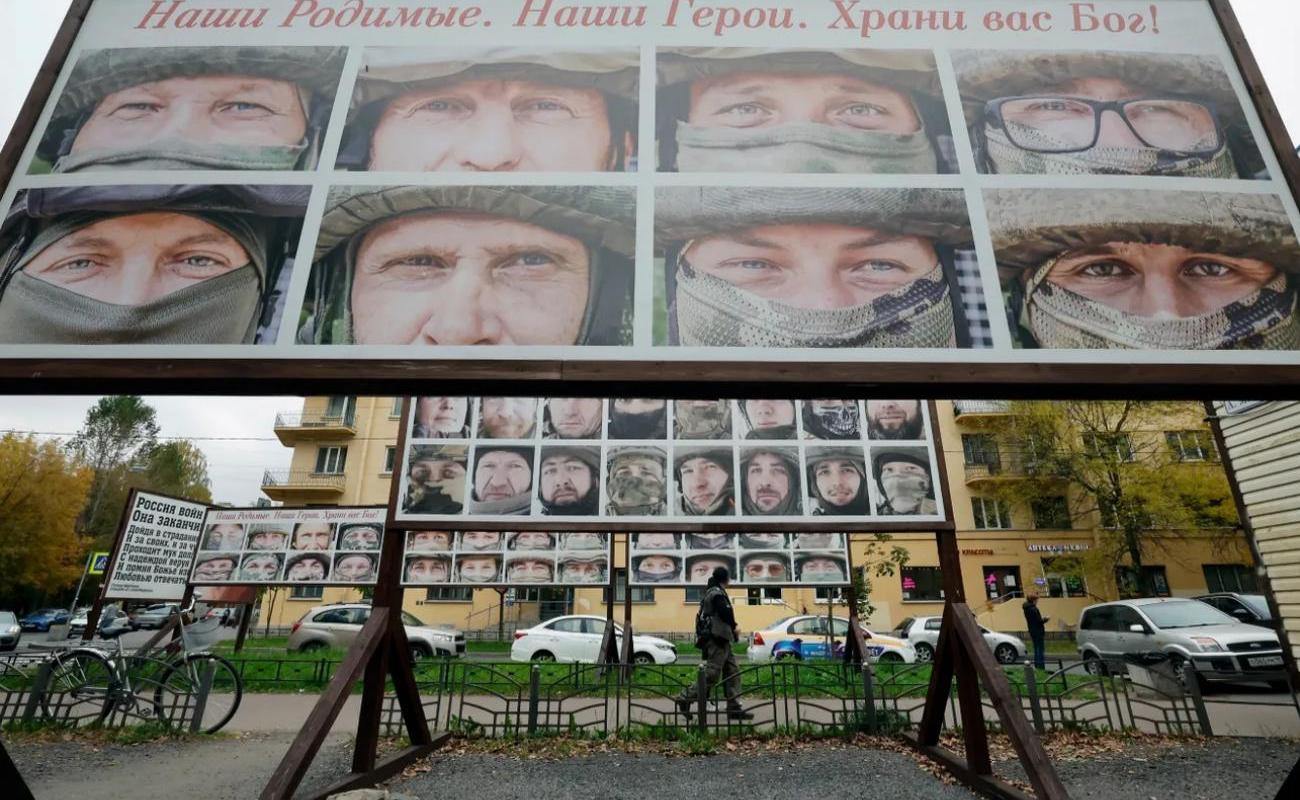
An iStories correspondent took a job at Voevoda, one of the major companies in a private recruitment market that has flourished since Russia began paying people to bring recruits into the army. Voevoda’s business works like multi-level marketing, and its enlisters (known as “recruiters”) can earn millions of rubles if they’re good at the job. Meduza summarizes the key findings of the iStories investigation.
- Voevoda was founded in 2014 by Vidadi Bayramov. The Ukrainian project Myrotvorets lists him in its database as a fighter with the Russian mercenary group Wagner who took part in the wars in Georgia and Ukraine, though there’s no independent confirmation of this. Voevoda used to run combat training courses for civilians and didn’t move into recruitment until 2024. That’s when business took off: revenue grew almost tenfold in a year, topping 700 million rubles.
- The company is now actively looking for new recruiters, promising “ready-made work methods” and “high income for every candidate.” In training sessions, its managers advise them to find candidates through targeted social media ads, especially on Telegram. Once a conversation is underway, they’re told to “build psychological rapport” but never to drop the clipped, “military” tone.
- Marketing agencies help drive mass recruitment. They collect the phone numbers of people who have called hotlines for contract military service. “Raw” numbers sell for 10–20 rubles each; “leads” go for 1,300–1,400 rubles apiece, because agency staff have already called those people themselves. With “raw” numbers, about one in 100 candidates ends up signing a contract; with “leads,” it’s two or three out of 100.
- Recruiters get paid for every contract soldier they bring in, and the fee depends on where the recruit is registered as a resident: from 150,000 rubles for a Yaroslavl resident to 1 million rubles for a Moscow resident. Requirements for candidates also vary by region, but they’re generally low. Recruiters can sign up people missing arms or legs, as well as people with criminal records — except those convicted on extremism or terrorism charges.
-
- The company runs a bonus system. A recruiter who brings in more than five contract soldiers gets an extra 50,000 rubles for every additional Muscovite and 30,000 rubles for every recruit from another region. Recruiters also earn bonuses for signing up new recruiters who go on to enlist someone themselves.
- Financial documents obtained by the iStories correspondent indicate that successful recruiters earn millions of rubles. Over five months in 2025, Voevoda paid Ivan Kuznetsov, a 21-year-old from Nizhny Novgorod, 7 million rubles for “candidate sourcing services.”
- Voevoda also enlists foreigners, paying recruiters 300,000 rubles per recruit. The company prepares the paperwork foreigners need to enter Russia and warns them not to tell anyone they’re signing a military contract. It clears its lists of prospective foreign recruits with Russia’s Federal Security Service, the FSB.