
EBRD, EU and WBIF support cleaner, safer environment for 800,000 people in Serbia
€2.64 million WBIF grant will fund preparations for the closure and remediation of 17 unsanitary landfills in the Pirot, Sremska Mitrovica and Valjevo regions
- €2.64 million WBIF grant to help prepare the closure of 17 unsanitary landfills in Serbia
- Around 800,000 people in Pirot, Sremska Mitrovica and Valjevo regions to benefit from cleaner surroundings
- The support builds on Serbia’s wider work to improve regional waste management, backed by the EBRD and, AFD
Around 800,000 people in Serbia are set to benefit from a cleaner and safer environment as the country launches preparations for the closure and remediation of 17 unsanitary landfills, with support from the European Bank for Reconstruction and Development (EBRD), the European Union (EU) and the Western Balkans Investment Framework (WBIF).
A €2.64 million technical assistance grant will support preparations needed to close and remediate 17 unsanitary landfills in the regions of Pirot, Sremska Mitrovica and Valjevo. The grant is financed by the bilateral donors of the WBIF, the European Union’s main platform for infrastructure investments in the Western Balkans.
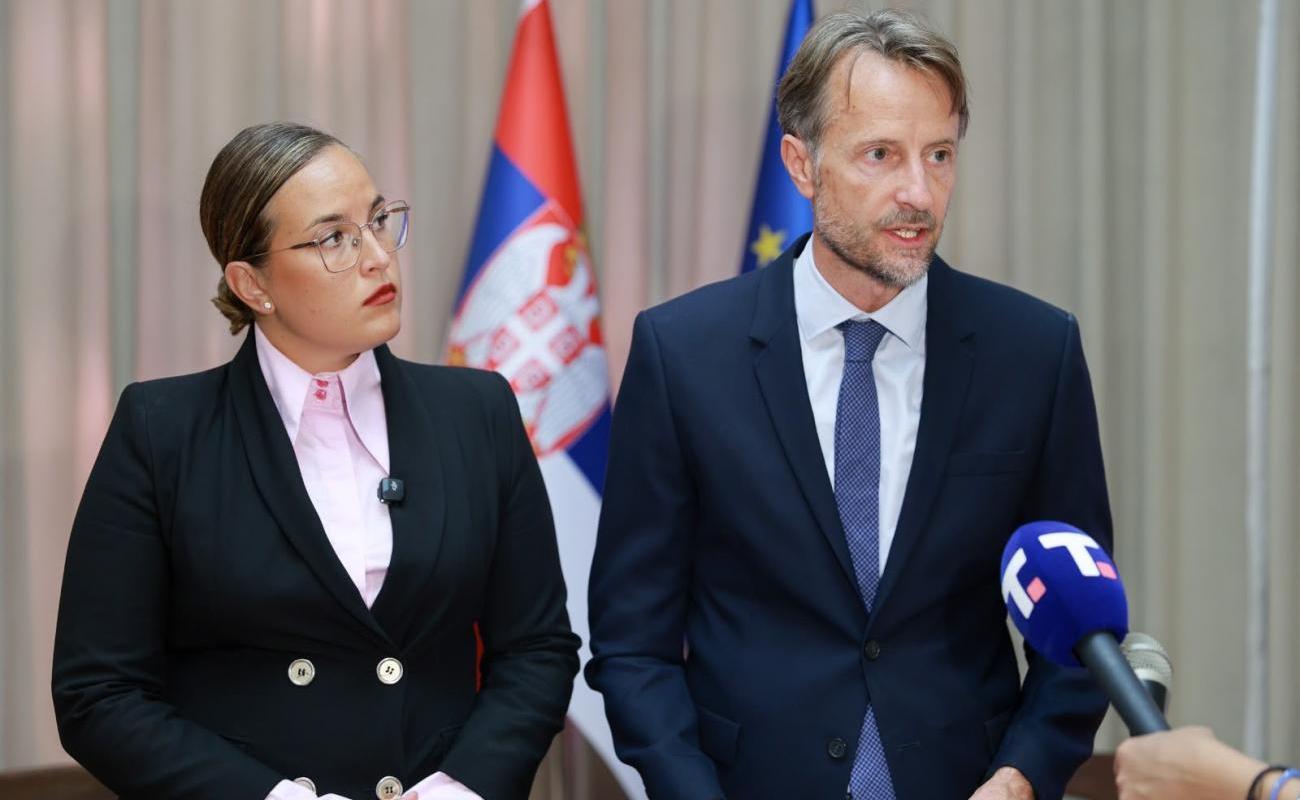
The agreement was signed today by Minister of Environmental Protection, Ms Sara Pavkov and EBRD’s Deputy Head of Serbia, Ms Jelena Čeperković, in the presence of the EU Ambassador to Serbia, HE Andreas von Beckerath.
“Today, we signed a €2.64 million grant agreement to support the closure and remediation of as many as 17 unsanitary landfills, with the support of our European partners, the European Bank for Reconstruction and Development. This grant will help strengthen waste management systems across three areas of Serbia, namely the Pirot, Kolubara and Mačva districts. Around 800,000 citizens will benefit directly, as unsanitary landfills will no longer exist in their municipalities.” said Pavkov.
Jelena Čeperković, EBRD Deputy Head of Serbia, said: “This is an investment in cleaner air, safer soil and healthier communities. With support from the EU and bilateral donors through the WBIF, and in partnership with the Serbian authorities, the assignment will pave the way for the long-awaited closure and remediation of unsanitary landfills and support Serbia’s transition to modern, environmentally safe waste management systems.”
Through the WBIF, the European Union has supported Serbia’s investments in environmental infrastructure, clean energy, transport and other priority sectors aligned with the country’s EU accession path.
EU Ambassador, Andreas von Beckerath, said: “Improving environmental infrastructure is essential for protecting public health and advancing Serbia’s green transition. Through the Western Balkans Investment Framework, the European Union is helping Serbia prepare the investments needed to reduce pollution, improve waste management and bring environmental standards closer to those of the EU.”
The grant will finance the preparation of technical and tender documentation for the closure and remediation of 17 unsanitary landfills that pose significant risks to soil, groundwater and air quality in surrounding communities. Closing and remediating these sites will help reduce pollution, improve landfill gas management, cut greenhouse gas emissions, while creating safer and cleaner conditions for communities that have long been affected by outdated waste disposal facilities.
In parallel a broader investment programme supported by EBRD and French Development Agency (AFD) will facilitate the construction of several regional waste management centres to replace unsanitary landfills. Once these regional sanitary landfills become operational and start receiving waste, the closure of unsanitary landfills can proceed.
The development of these regional centres is already underway. To date, the regional sanitary landfill in Kalenić and the composting facility in Pirot have been completed, while construction and upgrade works continue in Nova Varoš, Pirot and Sremska Mitrovica.
Serbia’s Ministry of Environmental Protection will lead the implementation of the project, working closely with local authorities and international partners.
The WBIF brings together the European Union, international financial institutions, bilateral donors and Western Balkan governments to support priority investments across the region.