
International investigation: Russian ships used to transport military supplies and intelligence agents to Africa
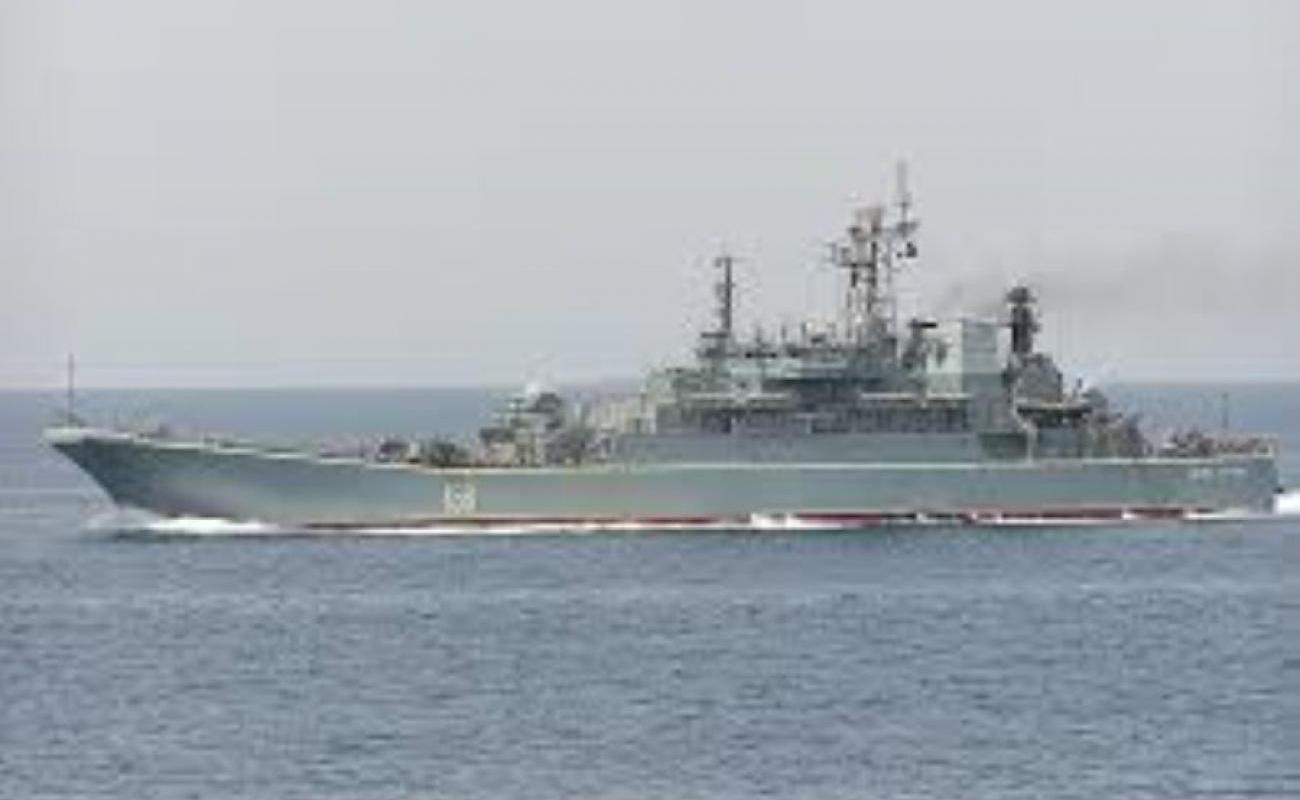
Russia is reportedly using a network of civilian merchant ships to transport military equipment to several African countries, even employing intelligence personnel under false identities to ensure the security of the shipments. This is according to a joint investigation by the investigative journalism platforms Dossier Center, Follow the Money, the German newspaper "Sueddeutsche Zeitung," the Danish research center Danwatch, and the leading Baltic news portal "Delfi." The media outlets involved identified 28 passengers aboard seven Russian vessels whose names, dates of birth, and identification numbers are missing from public databases or leaked personal information archives. According to a European intelligence source consulted by the authors of the investigation, these passengers may be Russian agents in possession of cover documents. The passports used by the passengers identified as suspects lack biometric chips, and some have consecutive numbers or differ only in the last digits, suggesting a coordinated issuance of the documents. Stig Vaever, A former Danish intelligence official, noted that these characteristics are consistent with the use of fictitious identities in clandestine operations. A similar assessment was made by analysts from the US organization C4ADS, which specializes in studying illicit networks and threats to global security. According to the investigation, the 28 passengers were identified on three ro-ro ships and four dry cargo merchant ships, all involved in shipments of military equipment primarily destined for the Africa Corps, the Russian Defense Ministry unit that has assumed some of the activities previously carried out in Africa by the private military company Wagner. One of the documented incidents involves the ship Sabetta, which arrived on March 19 in the port of Conakry, the capital of Guinea, with a cargo of approximately 50 vehicles, including armored vehicles and tankers, subsequently transferred to Mali, where the Africa Corps operates. Also on board were four passengers whose identities were not confirmed by the journalists' verifications. Sabetta belongs to the Northern Project company, which, according to the investigation, is involved in government defense contracts and special projects for the Russian nuclear company Rosatom.
Other identified vessels include the ro-ro vessels Adler, Ascalon, and Baltic Leader, all of which are owned by the MG-Flot company, which is under EU and US sanctions for its alleged involvement in logistical support for Iran and the supply of munitions and components for Russian drones. The investigation also names the merchant vessels Mikhail Britnev and Mys Zhelaniya, associated with the companies Arctic Trans and Eco Shipping. The latter is under US sanctions for its role in the logistics network of the Russian Arctic LNG 2 liquefied natural gas project. The seventh vessel is the Siyanie Severa, owned by the Northern Shipping Company and previously used, according to journalists, to transport grain from Russian-occupied Ukrainian territories. During their voyages to Africa, the seven vessels reportedly repeatedly disabled their automatic identification systems (AIS), making it more difficult to track their movements and reconstruct their routes. According to a European intelligence source cited in the investigation, the use of such heightened secrecy measures is linked to the military nature of the cargo and the need to protect it from Western surveillance. Moscow has therefore decided to deploy personnel from the Federal Security Service (FSB) or Military Intelligence (GRU) to the crews. Michelle Bockmann, A senior analyst at the maritime monitoring firm Windward, believes that these agents' duties may also include monitoring crews, to prevent ships from being detained or inspected at the request of European authorities. The presence of security personnel would therefore serve the purpose of ensuring the arrival of cargo considered particularly sensitive. However, the investigation does not document the actual identities of the 28 passengers nor provide independent confirmation of their affiliation with Russian intelligence agencies.