
Diversifying Tourism through Cultural Heritage and Traditions in Pejë/Peć
On mornings in Pejë/Peć, most travelers still raise their eyes to the peaks of the Rugova mountains, where trails cut into dramatic canyons and climbers test their strength on sheer limestone walls.
Lately visitors are also pausing at places like the old “Haxhi Zeka” Mill, the Museum of Pejë/Peć, or even small family farms along newly built cycling trails, and discovering something else, the stories of tradition, food, and heritage that makes Pejë/Peć more than just a gateway to the mountains. All this thanks to the project of Diversifying Pejë/Peć’s tourism through cultural heritage, a project implemented by the Municipality of Pejë/Peć with the support of the Municipal Performance Grant, an incentive of the DEMOS project co-financed by the European Union, Switzerland and Sweden, and implemented by Helvetas Swiss Intercooperation.
“This project was about balance,” explains Virtyt Morina, Head of Tourism in the Municipality of Pejë/Peć. “Adventure has always been our strong side. But Peja also has a deep cultural heritage, from Ottoman guest houses to artisan crafts. We wanted to show both.”, he added.
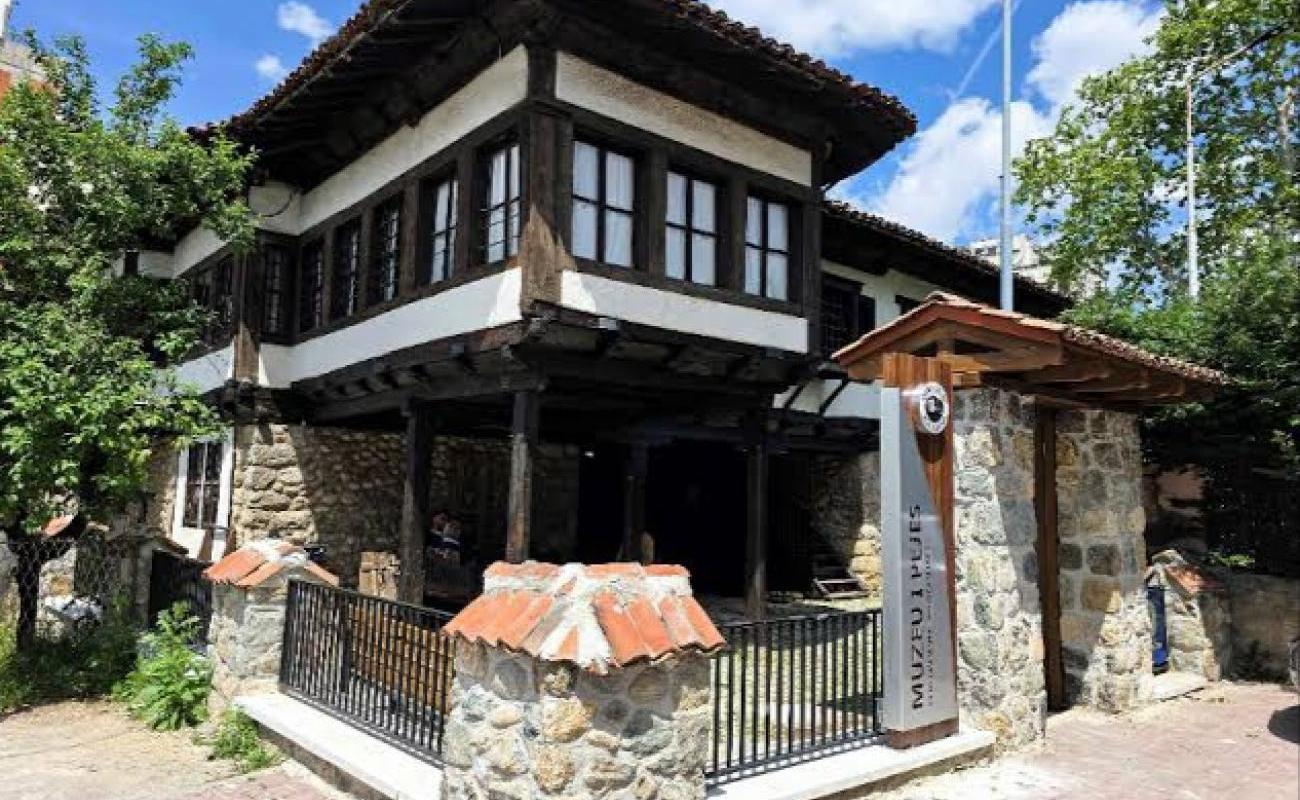
One of the city’s oldest institutions, the Museum of Pejë/Peć, has long preserved the history of the Dukagjini Plain, from prehistoric artifacts to embroidered dresses of the 19th century. Yet for years, few entered.
“The first impression wasn’t good,” admits Besa Berisha, the museum’s acting director. “The courtyard was dark; the entrance didn’t invite you in. People walked past.”
With support from the Municipal Performance Grant, the museum received a new wooden gate, lighting, and an improved exterior. The change, Berisha says, was immediate.
“Visitors nearly doubled in six months. Even at night, with the lights, people stop and say: ‘Oh, there’s a museum here.” For her, the difference goes beyond numbers.