
When will Russia start negotiations: forecast until spring
The economic blow has begun to act in Russia
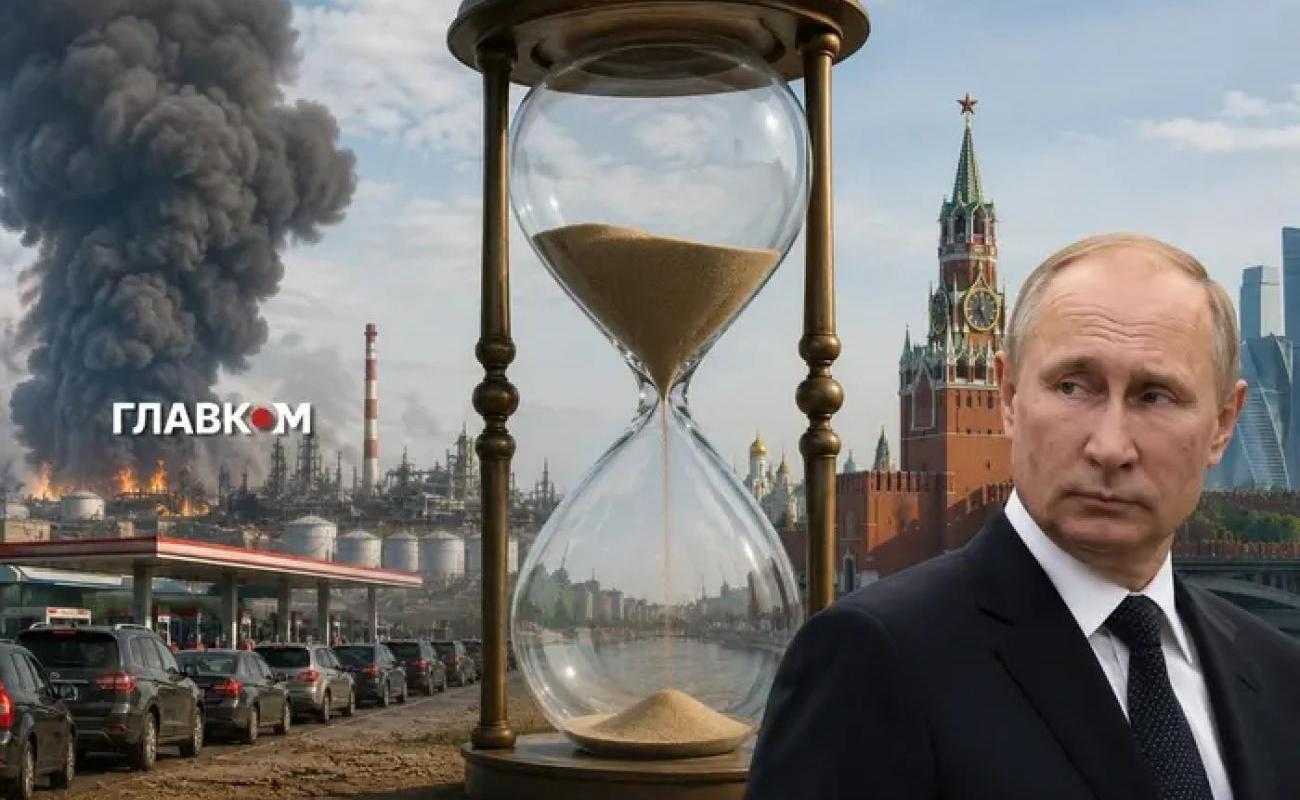
Readers were asked in the comments to give a realistic forecast for the war, the development of events and real negotiations. When, instead of the Kremlin's ultimatum, a normal dialogue on freezing the conflict will begin, taking into account the reality "on the ground". In short, the situation now looks like this:
The earlier bet on the collapse of the Russian economy has worked. And it is still working. Western sanctions are in force, but slowly, Moscow is constantly looking for ways to circumvent them, and this slow process can take twenty years. As in the case of Iran, which has been living under sanctions for a very long time. But Ukraine, with its "long-term sanctions" and "medium-range sanctions", brought the necessary dose of activity to this process.
The strikes on the refineries not only caused financial losses for Russia, but also worsened the general situation for the worse. Queues at gas stations, clashes, logistical problems - all this has made "ordinary Russians" feel firsthand that war is not something that happens on television. The fuel crisis is already slowly turning into a political crisis.
And in the fall and winter of this year, a food crisis will be added to this crisis. Farmers are already having problems with the harvest, and this year they have sown less. "General hunger" is able to bring clear thoughts even to the most empty heads much faster than an empty car tank. Add to this the attacks on enterprises related to the military-industrial complex, energy, bridges, and you get a very bad "cocktail" that the Russian authorities will have to drink.
Obviously, all these real problems at the current stage will not force Putin to include a return to negotiations and urgently sign a peace treaty. All resources and reserves are being used, there is a possibility of confiscating deposits and seizing enterprises. This also threatens the emergence of social unrest and rebellion, but... at the same time, the screws are tightened, police control is intensified and the Internet is turned off. This damaged plane will continue to fly for some time.
So, in such conditions, at the beginning of October, Putin will embark on an unpopular but inevitable mobilization that will finally exhaust the already meager reserves of the Russian economy. All this will be explained in the style of "The war continues" and "All for the front, all for victory." This rhetoric can already be traced in Russian propaganda.
The gathered forces will be thrown into the abyss of a major offensive against the Kramatorsk agglomeration and, possibly, the Zaporizhia region. In parallel, as winter approaches, the Kremlin will focus more and more on strikes against the Ukrainian energy sector, in order to cause panic among Ukrainians and a desire to agree to any conditions.
According to the Kremlin, Russia will have enough resources until February next year. During this time, the Russian army should achieve some visible results on the ground, and the spirit of the Ukrainians should be broken enough to agree to “peace at any cost”.
That is, Russia expects to create a favorable negotiating position in February or March and try to conclude peace on its own terms. If this does not work, the process of disintegration will begin within Russia itself. The plan is quite simple and obvious, as is the task of Ukraine - to endure and persevere. The one who can hold out one day longer than the enemy will win.