
Russia's September election: United Russia will win but the sands are shifting under its feet
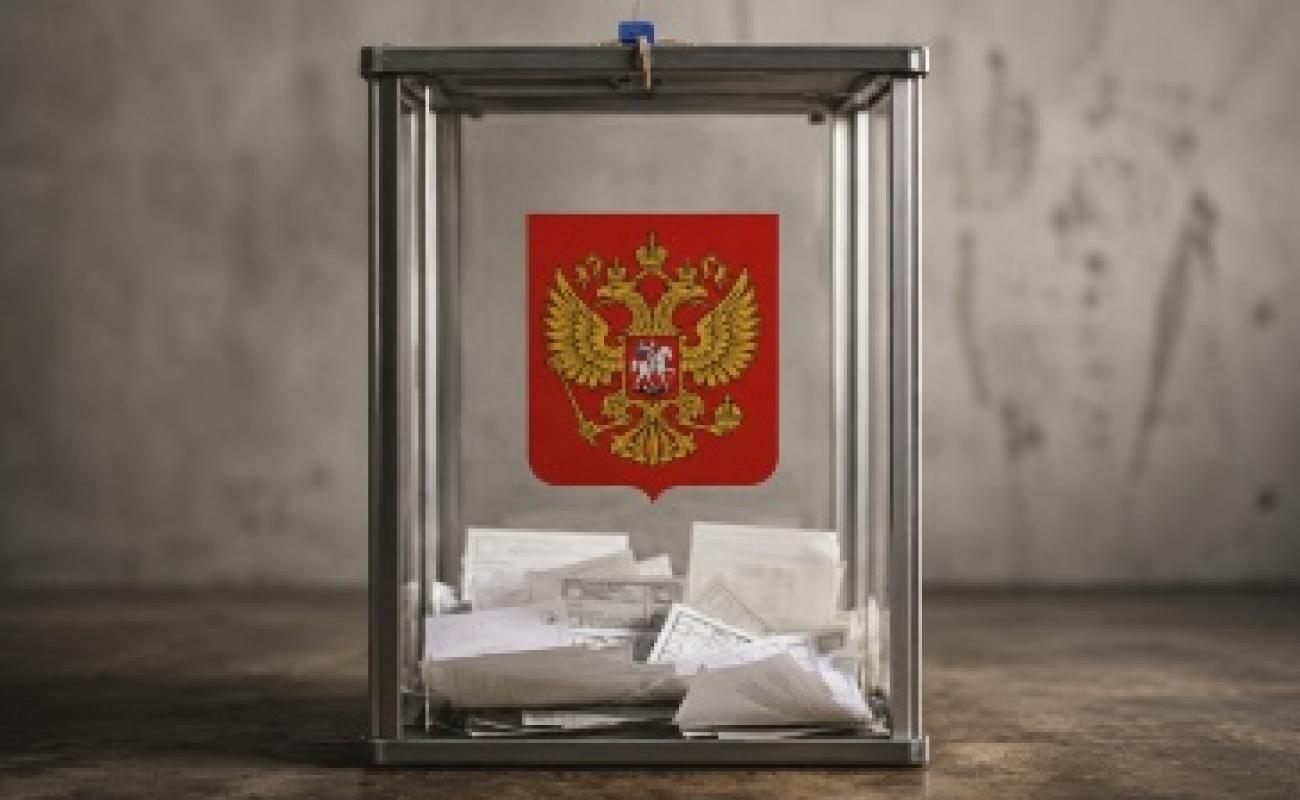
Russia goes to the polls on September 18-20 for its first State Duma elections since the full-scale invasion of Ukraine. All 450 seats in the lower house of the Federal Assembly are at stake, and the outcome — United Russia retaining its overwhelming majority — is not seriously in doubt. The real interest lies elsewhere: in what the shifting tectonic plates of Russian domestic politics reveal about the health of a regime that is simultaneously fighting a grinding war, managing a faltering economy and suppressing its own citizens' access to the internet.
The most striking development of the pre-election period is the emergence of the New People party as Russia's second most popular political force, overtaking the Communist Party — a shift that illuminates both the sources of public discontent and the Kremlin's increasingly anxious attempts to channel it and parse the electorate into the focused subsections.
Internet blackouts, rising prices and economic stagnation have created a pool of anger that someone in Russia's managed democracy had to absorb. The Kremlin's choice of vessel tells you something important about what Moscow's political managers fear.
The mood: souring, not revolutionary
Putin ended 2025 with approval ratings that remained high by international standards — around 74% in VTsIOM surveys. By spring 2026, that number had slid to 65.6%, its lowest level since the start of the war. The trigger was not the front lines or the economy alone, but something more visceral: the internet. Mobile communications blackouts during the Victory Day period, the blocking of WhatsApp and Telegram, and the clumsy rollout of a domestic replacement app called Max – basically a surveillance proxy for the FSB and everyone knows it – have infuriated ordinary Russians in a way that abstract macroeconomic data does not.
Russia's budget deficit ballooned to RUB4.6 trillion in the first quarter of 2026 — already 21