
A Rebirth in Flame: Ukraine’s Beleaguered Energy System
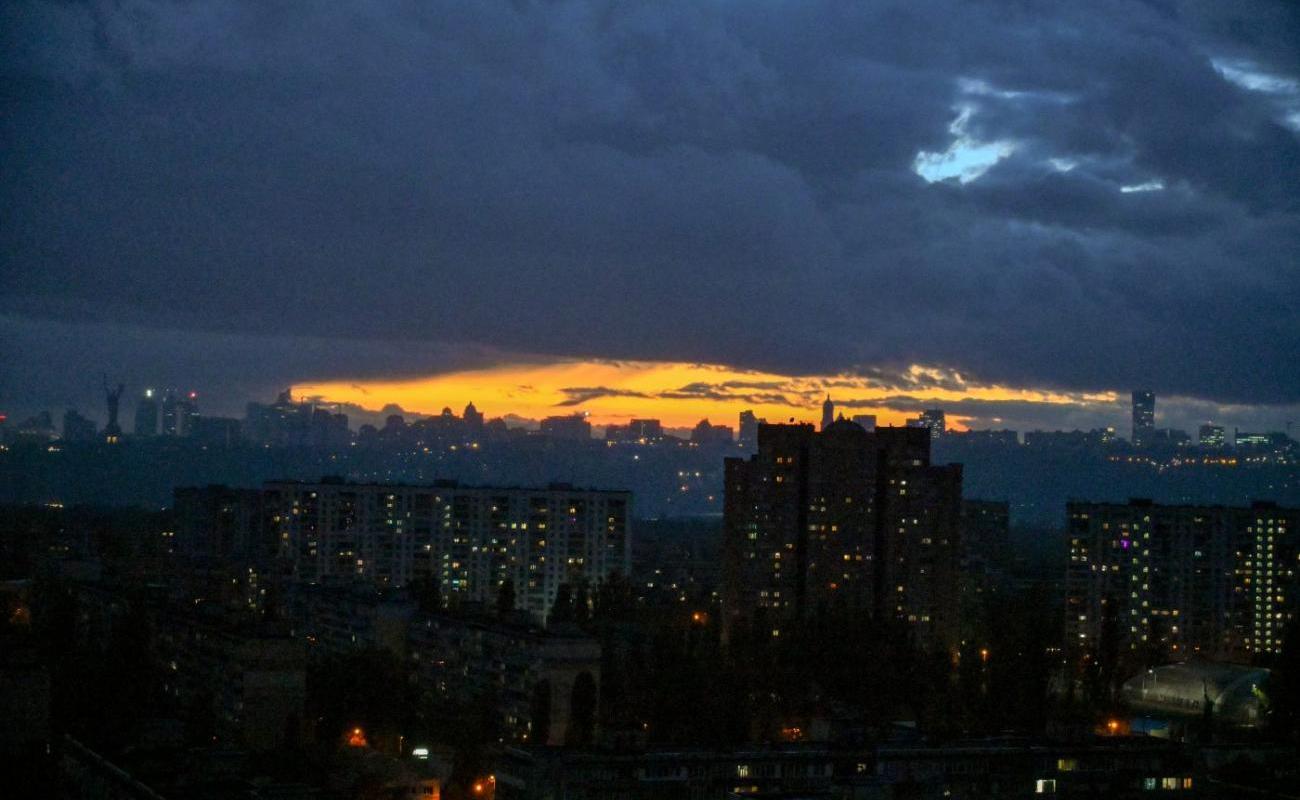
Russia’s relentless assault on Ukraine’s energy infrastructure and a crisis of governance promise a cold winter. But there is hope ahead.
The Kremlin’s forces have been striking Ukraine’s energy generation and distribution facilities almost daily. Attacks on November 25 alone left more than 40,000 people without power in the Kyiv region, 20,000 in Odesa, 13,000 in Chernihiv, 21,000 in Dnipro, and more than 8,000 in Kharkiv.
Emergency shutdowns were imposed in the Kyiv, Kharkiv, Poltava, and Sumy regions, and hourly scheduled outages and industrial load restrictions are in effect across the country. Residents in the capital say it’s now common to have just three hours of power in the morning and three in the afternoon. The disruptions underline how deeply Russia’s energy war has eroded Ukraine’s resilience as winter is setting in.
This is a vulnerability with long historical roots. For decades, Ukraine’s energy architecture was tightly connected to Russia’s, a legacy of the Soviet integrated grid and a result of dependence on Russian nuclear fuel, spare parts, and gas.
Before the full-scale invasion of 2022, Ukraine’s electricity system was synchronized with Russia and Belarus. In 2021, the last full year before the all-out war, Ukraine reached 158.4bn kWh of electricity production — a 5.2% increase on the previous year — with nuclear power providing 54.4% of all generation and thermal plants 23.5%. Renewables, combined heat and power, and hydropower accounted for the rest.
Zaporizhzhia nuclear power plant, the largest in Europe, was a central pillar of the system.
By the time Russia began attacking Ukraine’s grid in 2022, Kyiv was already working to reduce dependence on its untrustworthy and aggressive neighbor. In 2015, during the war in Donbas, Moscow’s forces had shelled the Luhansk thermal power plant in Shchastia, foreshadowing the Kremlin’s later campaign of systematic destruction.
Ukraine diversified away from Russian nuclear fuel, becoming the first state in the world to fully eliminate dependence on Rosatom for VVER-type reactors. It also halted direct gas imports from Russia in 2015 and started reforming its electricity markets and regulatory institutions.
This gradual decoupling accelerated dramatically after the full-scale invasion. Ukraine immediately disconnected from the Russian and Belarusian energy system and, just weeks later, joined the European ENTSO-E grid — a milestone originally planned for 2023. This shift fundamentally altered the geopolitical landscape of European energy security.
Russia responded with an increasingly destructive strategy. During the first year of the full-scale war, most strikes focused on substations and distribution nodes, until Moscow shifted to attacks on generation with strikes on thermal power plants, hydropower dams, and renewable installations.
In 2024 alone, Ukraine lost about 9 GW of generating capacity to missile and drone attacks, equivalent to one-third of pre-war consumption. All of Ukraine’s 15 thermal power plants have been damaged or destroyed, and their share in the energy mix has collapsed to around 5% from 23.5