
Modern Weapons Shaping the Ukraine-Russia War
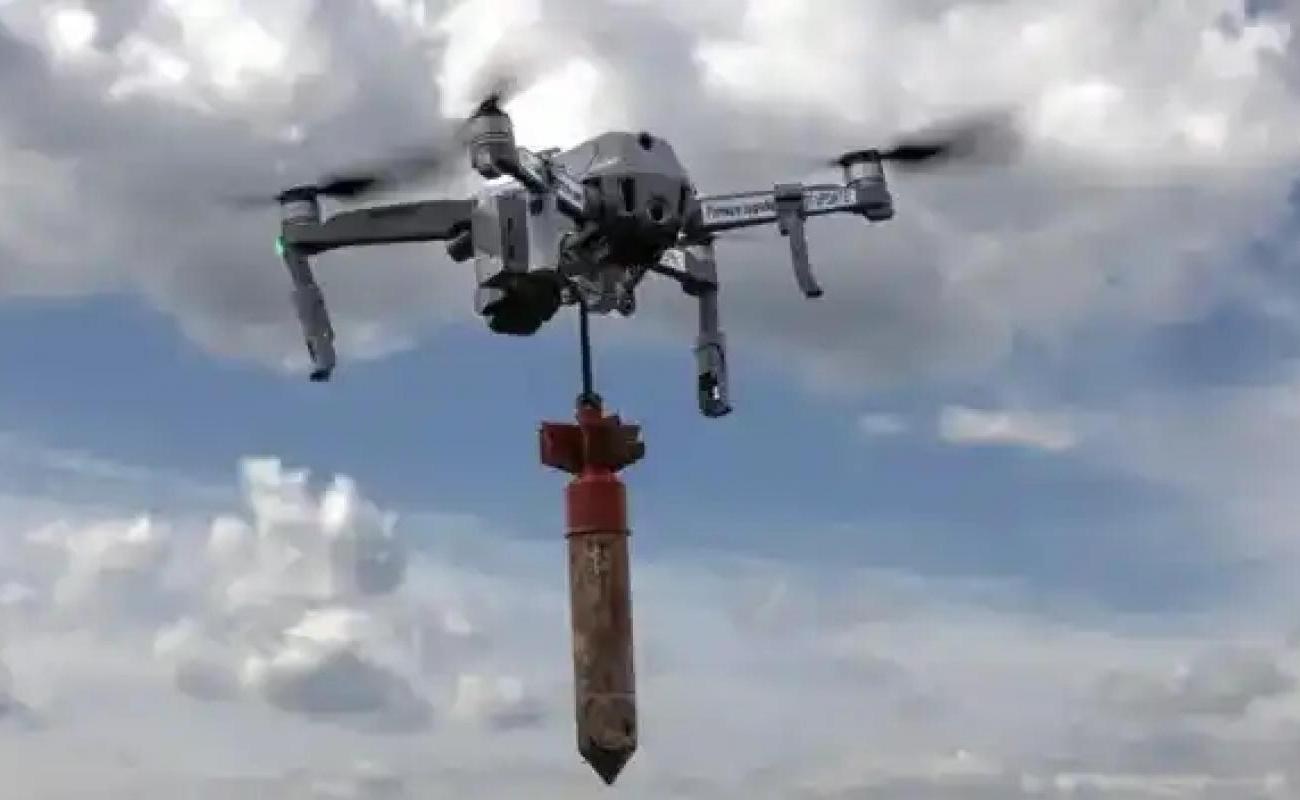
February 24 marks the fourth anniversary of Russia’s full-scale invasion of Ukraine. During this time, both sides have increasingly used drones, missiles, and fighter jets, changing the nature of battles along a front line that stretches over a thousand kilometers.
Although diplomacy has yielded little progress, the question arises: which modern weapons can truly influence the course of the war in favor of one side? Let us consider the main directions – from missiles to air power and drones.
New missiles: Flamingo vs. Oreshnik
Ukraine remains heavily dependent on rocket support from partners, using American ATACMS and European Storm Shadow/SCALP to strike Russian targets. At the same time, the country is developing its own long-range missiles under the name Flamingo, developed by Fire Point. According to the manufacturer, this missile can hit targets at a distance of about 3,000 km, travels at about 900 km/h, and carries a warhead weighing about 1,150 kg. Since Flamingo is developed as part of a national program, it can be used for a broader range of targets, not restricted to the aims of allies.
On the other hand, Russia is working on a missile with a range up to 5,500 km – the Oreshnik – emphasizing high speed (up to 2.5–3 km per second). Such characteristics complicate interception and increase risks for Ukraine’s defense in depth. According to agencies, the warhead can split into several parts during descent, creating repeated explosions at intervals.
“F-16, compared with the fighter jets we fly on now, is like a smartphone next to an old-fashioned keypad mobile phone”
Flamingo enables striking deep targets in Russia, while Oreshnik can operate at long range and changes approaches to defense planning and avoiding interception. Both systems erase traditional boundaries on strikes against strategic targets.
Fighters and air defense
Ukraine has received about half of the nearly 90 F-16 fighters supplied by NATO countries, including Belgium, Denmark, the Netherlands, and Norway. These aircraft are regarded as versatile, easy to maintain, and capable of carrying a wide range of weapons, coordinated with the United States and NATO allies. They supplement air defense and ground strikes, increasing the versatility of Ukrainian forces’ actions.
After the appearance of the F-16 among pilots, assessments of their potential emerged: compared with previously used aircraft, they highlight a substantial increase in capabilities in the air and on the ground.
The Su family of Russian aircraft has become the backbone of their air fleet: the Su-30, Su-34, Su-35, and currently the Su-57, which has not yet entered serial production. They feature modern radars and long-range missiles, notably the R-37, with a range of about 200 km, and a substantial combat load. Experts estimate that Russia possesses a large number of combat aircraft, but Russian planes rarely venture deep into Ukrainian territory due to the activity of Western air defense systems, notably Patriot, which reduces the frequency of air engagements.
In modern conditions, both sides are leaning toward using strike aircraft for long-range ground actions, avoiding direct clashes with the opponent’s strong defenses. Such conclusions reflect contemporary analytical assessments and trends.
Drones: drones as the center of gravity
Drones remain a key tool for reconnaissance, target designation, and strikes throughout the war. Ukraine continues to lead in the development of autonomous systems and produces a variety of drones, including through new production lines.
The Spider operation drew particular attention: over 110 FPV drones were smuggled into Russia and struck more than 40 strategic facilities. Ukrainian drones are also used on the front lines and for maritime operations. Among Ukrainian developments are FP-1 and FP-2, which are cheap and rapidly produced; some of them can reach distant targets.
In addition, Ukraine uses Bayraktar TB2 drones with missiles provided by Turkey, as well as American Switchblade kamikaze drones and civilian drones for reconnaissance, including Chinese DJI Mavic 3. Russia responds by developing its own drones such as Geranium-2 – an adapted version of Shahed drones – and other projects like Artemis-10, Tuvik, Sirius, and further developments. Experts estimate that Russia produces thousands of such drones every month, but their actual battlefield effectiveness often falls short of expectations.
Particular attention is given to communications systems: some drones operate via satellite channels, others via radio frequencies or optical-electro navigation systems. Elon Musk recently expressed concerns about the use of his Starlink satellites for drone attacks, highlighting the impact of civilian technologies on military actions. Russia responds by deploying its own communications and command-and-control systems – but they have limitations compared with Starlink.
In the future, technological progress will accelerate: artificial intelligence becomes a new front in the race for advantage. Expert assessments indicate that AI can significantly boost the effectiveness of even small drones, enabling them to autonomously select targets and coordinate strikes. Ukraine’s defense ministry also reports active research in this area, but there is no ready weapon yet. If such technologies can be applied, they will significantly affect the dynamics of the war.
Conclusion: Drones and artificial intelligence are gradually transforming modern warfare into a more complex and integrated space, where advantages can quickly shift between different types of weapons. The future will teach new strategies – from air defense systems to aerial strikes and autonomous reconnaissance – and will demand flexible approaches in defense.