
International monitors confirm Russia’s blockade of occupied Oleshky, where the living starve and the dead go unburied
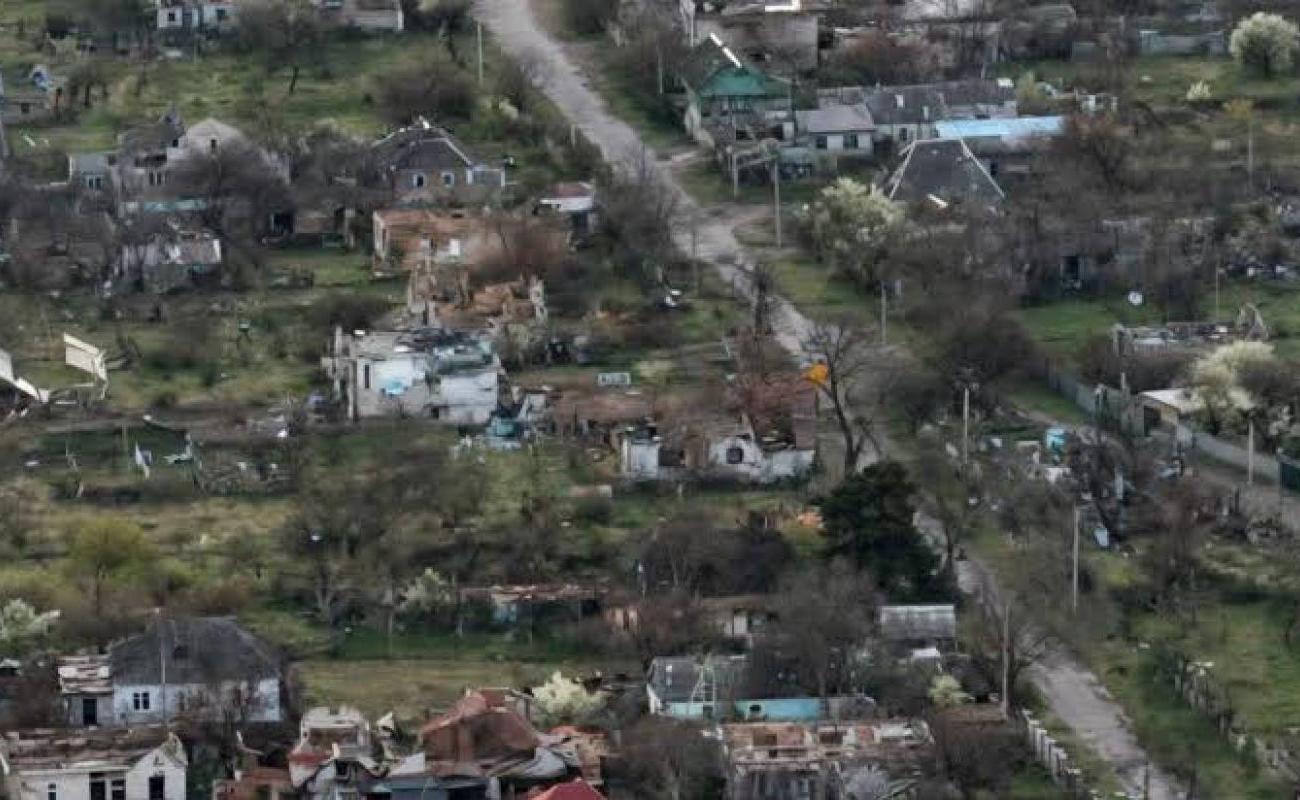
Four months after Euromaidan Press first documented the drone siege of occupied Oleshky and neighboring communities, the United Nations, Human Rights Watch, and the Institute for the Study of War have independently confirmed the humanitarian crisis, major international outlets covered it, and the Pope has been informed. Yet interviews with residents, volunteers, and local officials indicate that conditions continue to deteriorate, with thousands of civilians trapped without food, medical care, or a safe way to leave.
International reports confirm the humanitarian catastrophe
Reports published by the United Nations, Human Rights Watch, and the Institute for the Study of War in late June and July 2026 point to a worsening humanitarian crisis in Russian-occupied Oleshky, where civilians face starvation as they remain trapped by drone attacks, landmines, and restrictions on movement.
On 25 June, the UN Human Rights Monitoring Mission in Ukraine (HRMMU) called the situation in Oleshky and neighboring territories "desperate." Continuous first-person-view (FPV) drone attacks and extensive mine contamination have severely restricted the delivery of food, medical assistance and evacuations. Ukrainian authorities estimate that up to 6,000 civilians, including more than 180 children, remain in the occupied communities.
The mission documented at least 29 civilians killed and 54 injured in Oleshky and Hola Prystan in 2026 alone, most of them in attacks involving short-range drones.
"Frequent attacks by short-range drones and the presence of landmines are having devastating consequences for thousands of people in these communities," said Danielle Bell, Head of HRMMU. "People can't get out, food can't get in, and sick and injured are not getting the medical assistance they need."
Human Rights Watch reached similar conclusions. The organization documented severe shortages of food and medical care, the collapse of basic services, and constant danger from drones and landmines. Former residents said there was no organized evacuation route and that those leaving the occupied town had to pass through Russian military checkpoints before traveling through Russia and Belarus to reach Ukrainian-controlled territory.
Men who want to escape face a further trap: leaving in practice requires Russian travel documents, and applying for them, HRW found, funnels men straight to a military enlistment office. Compelling civilians in occupied territory to serve in the occupying power's forces is a war crime, the organization noted.
Human Rights Watch could not determine responsibility for individual drone strikes or the emplacement of specific mines in the area. The organization noted that Oleshky sits on the front line and has been subjected to sustained attacks by Ukrainian forces as well, and that it found credible indications Ukrainian forces may have used drones and mines on roads around the town. It said civilians wishing to leave are entitled to safe passage under international humanitarian law.
According to HRW, Russia, as the occupying power, is responsible for ensuring access to food, medical care, and humanitarian assistance.
The Institute for the Study of War (ISW) concluded that Russia is effectively blockading occupied Oleshky while failing to meet its obligations under international humanitarian law as an occupying power. The report mentioned that "the Russian military command deployed a detachment of penal recruits to Oleshky in early July, resulting in widespread abuses against the civilian population, including sexual assaults committed against women and minors."