
War or Peace: Ukraine
Trump’s peace plan may force Kyiv into a painful compromise, trading security guarantees for concessions in a peace that could prove fragile.
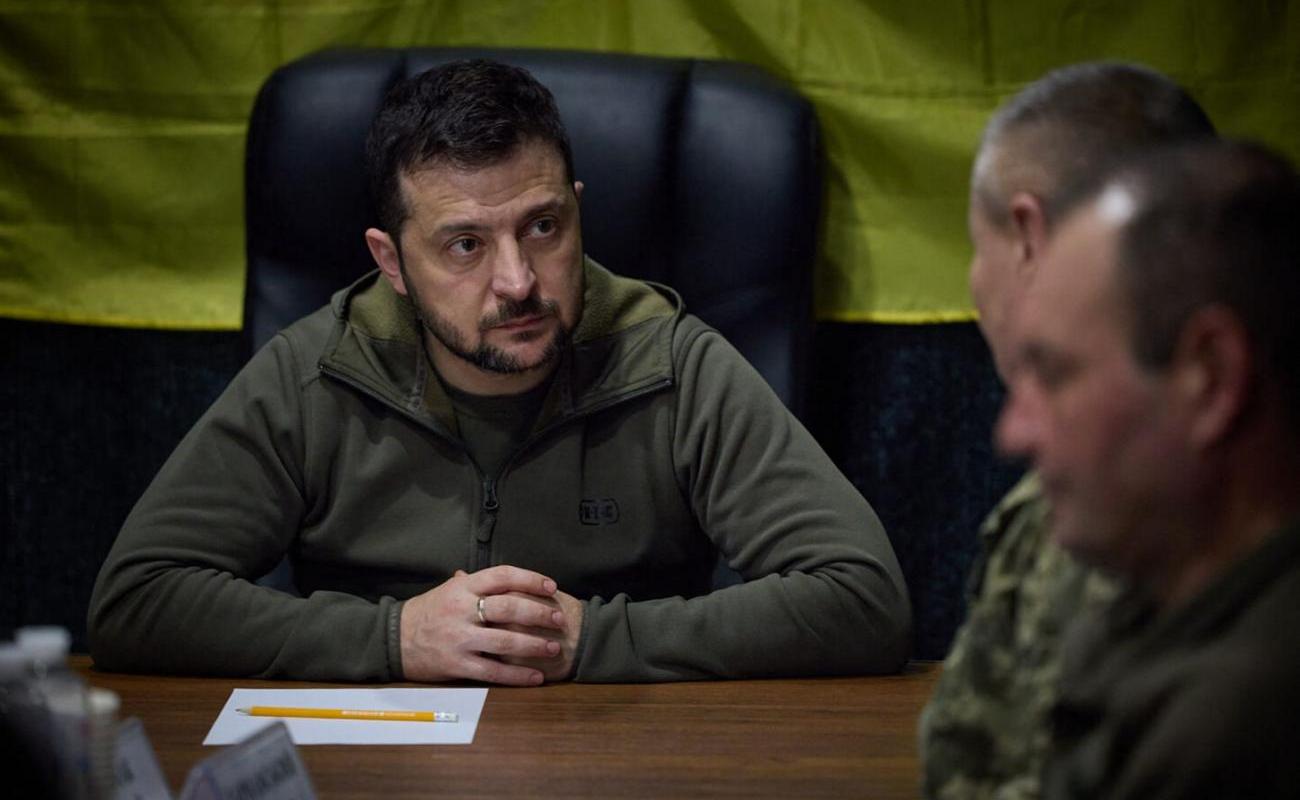
Donald Trump’s election as president of the United States has confirmed the fears of many: his victory was not good news for Kyiv. Trump’s approach, often close to Russian positions and focused on achieving a ‘peace at any cost’, did open the door to a peace process that would have been unthinkable under the previous Biden administration. However, it is shaping a deeply painful scenario for Ukraine. One in which compromise is rewarded even when it damages Ukrainian interests, places intense political and social pressure on Volodymyr Zelensky’s government and fails to take European interests sufficiently into account.
This dynamic of external pressure not only weakens Ukraine’s negotiating position vis-à-vis Russia, but it also raises profound questions on the coherence of Western policies. Can there truly be a ‘just peace’ when the main mediator appears more interested in ending the conflict quickly than in restoring justice and long-term security for Kyiv? And what, exactly, does a ‘just peace’ mean in the current context of the war and of the negotiations conducted by Trump?
The core issues: security guarantees and territorial concessions
At the heart of the debate on peace lie two fundamental issues: security guarantees and the territorial concessions demanded of Kyiv.
On the one hand, Russia shows strong reluctance towards any meaningful form of security guarantee that could prevent Ukraine from being attacked again in the future. The Russian leadership seeks to retain an instrument of pressure over Kyiv, making it difficult for Ukraine to build a strong military fully integrated into Euro-Atlantic security structures. A reinforced Ukrainian army would run counter to Moscow’s declared strategic objective of maintaining influence and a long-term option of coercion. This is why robust security guarantees, capable of providing credible deterrence, are of vital importance to Ukraine. It also explains why Zelensky insists on Nato-style Article 5 guarantees rather than on membership itself, which he knows would in any case be difficult given the reluctance of some Alliance members.
On the other hand, Ukraine, despite intense pressure, does not intend to recognise Russia’s de jure sovereignty over the occupied territories. As Volodymyr Zelensky has stated, Kyiv has neither the legal nor the moral right to cede any territory to Moscow, neither now nor as part of a negotiated peace. He has reiterated that the Ukrainian constitution, international law and the will of the people do not allow for such a renunciation, including in key areas such as Donbas and other contested regions, notwithstanding pressure for compromise from the United States.
This Ukrainian position aligns with earlier attempts to freeze the discussion on occupied territories in order not to obstruct a possible peace negotiation, such as those held in Istanbul in 2022. At that time, it was suggested that the territorial dispute be suspended and Ukrainian neutrality offered in exchange for international security guarantees. Whereas in the past these ideas were advanced to keep negotiations alive, today similar Ukrainian concessions are taking place under direct pressure from Washington.
The question of EU accession
Another key element of the negotiations concerns Ukraine’s international integration. EU membership is seen by many as a counterweight to the renunciation of Nato membership, a solution that Moscow might find easier to accept than Ukraine’s entry into the Atlantic Alliance. Yet accession to the European Union is far from straightforward.
While many European leaders and European Commission officials consider Ukraine’s accession to the EU both inevitable and desirable, not only as a political project but also as a ‘security anchor’ for Kyiv, the path to membership remains complex. It is slowed by bureaucratic and political obstacles and, above all, by the veto of some member states, Hungary foremost among them. Without unanimity among the 27, the opening of the various technical stages of negotiation remains blocked, despite efforts to continue technical work even in the absence of formal political approval.
In this context, European integration is viewed as an integral part of a potential peace agreement and even as a possible form of structural security guarantee. However, the complexity of the process makes it difficult to envisage a rapid or smooth conclusion, including the prospect of completing accession by the end of the decade or even by 2027, a date widely considered too close given the scale of reforms required for membership.
Defining a ‘just’ peace
The definition of a ‘just peace’ in the Ukrainian context has become a conceptual as well as diplomatic battleground. For Zelensky and many European leaders, it is unlikely to coincide with an ideal peace, such as that outlined by the Ukrainian president in his ten-point plan, which includes the full restoration of territorial sovereignty, economic reparations and the establishment of post-conflict justice mechanisms, including war crimes tribunals. Rather, it reflects a compromise capable of deterring future aggression and ensuring long-term security.
Ukraine can, and already does, make extremely painful concessions. Yet it must also insist that certain minimum requirements be met. In the absence of credible security guarantees, a ‘peace at any cost’ may satisfy immediate political needs, but it would fail to protect Ukraine’s fundamental interests and to consolidate a durable European and international order.