
“This is a real disaster” What prevents Ukraine from exporting grain by bypassing ports
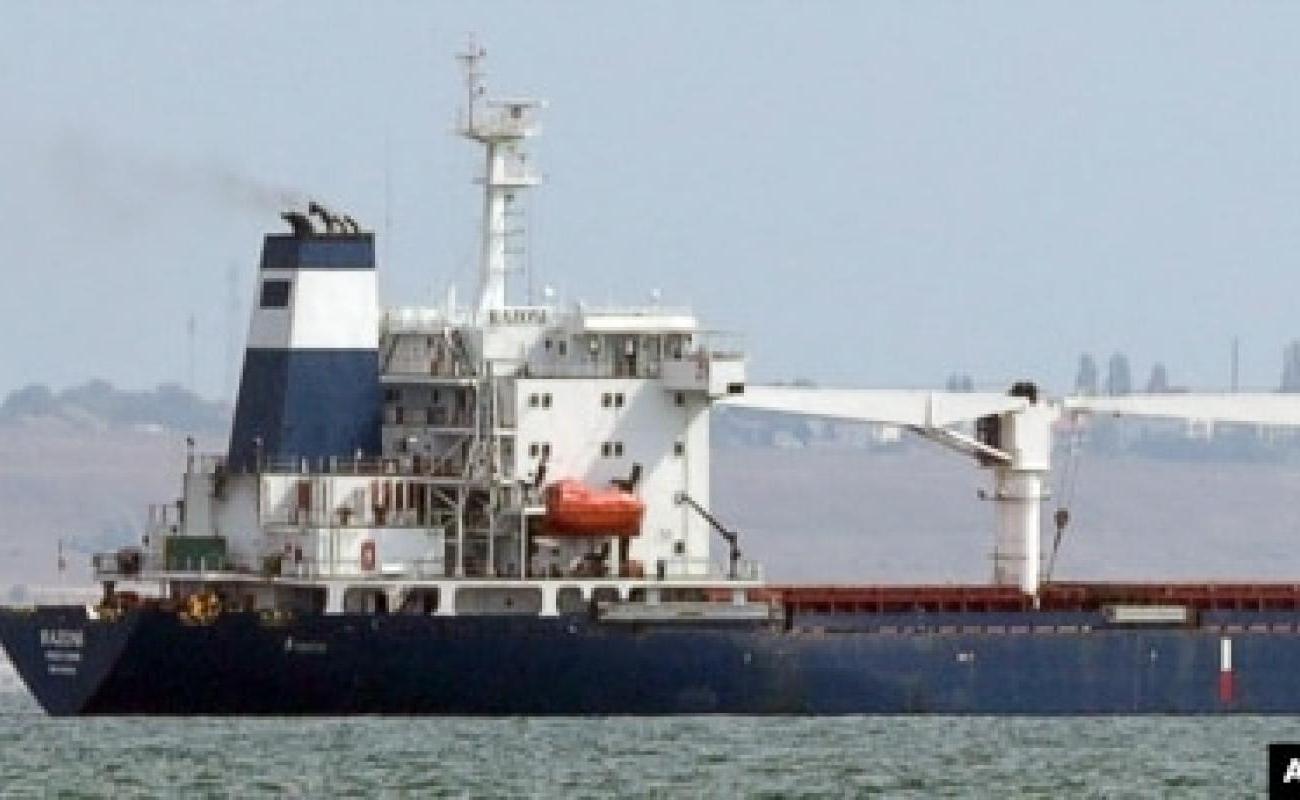
Since June 20, Russian drones and missiles have hit 57 ships (at least 21 people died). This is almost a third of all attacks on ships since the beginning of Russia’s full-scale invasion of Ukraine, The Wall Street Journal (WSJ) calculated. The current situation is described by the television and online network “Nastyozhye Vremya”, created by Radio Liberty for the Russian-speaking audience.
“Ukrzaliznytsia” reports that due to the blockade of seaports since the beginning of August, Ukrainian grain exports have decreased by 76 percent compared to the same period last year. Since the end of July, grain cargo ships have practically stopped entering the basins of the ports in the Odessa region, although they formally remain open, writes Politico.
“We are now in a situation very similar to the one we faced in 2023, when our grain corridor collapsed. The mood, market behavior, and how events are generally developing are very similar,” The Wall Street Journal quotes Serhiy Vovko, director of the Ukrainian Center for Transport Strategies.
Solving one problem – and getting a new one
Amid attacks on ports and merchant ships, Ukraine is discussing new routes for grain exports with its neighbors.
Ukrainian farmers call the situation catastrophic.
“The most terrible thing now is that this grain has nowhere to go. And today, with Russia’s blockade of our Odessa ports, through which we exported about 4.5 million tons, it is a direct disaster for all farmers,” Ukrainian farmer Serhiy Rybalko told Reuters.
To help farmers, Ukrainian authorities have turned to the European Commission for a grant of 220 million euros, on their initiative, the money will help reduce interest rates on loans for farmers.
The National Bank of Ukraine previously estimated that the blockade of Black Sea ports could cost the country about $2.5 billion in foreign exchange earnings by the end of the year - in this context, the government is expanding state lending programs.
When asked by the “Nastyoscha Vremya” network about the prospects for obtaining a grant, the European Commission replied that the request is still being considered. But Brussels believes that Kiev could independently allocate funds for the agricultural sector from the EU’s 90 billion euro loan, if it accelerates reforms in order to receive the next tranche.
“We are also continuing negotiations with the Romanian, Moldovan and Ukrainian authorities, including companies, to assess the situation with alternative supply routes “through solidarity routes. So, we have already provided significant comprehensive support to the agricultural sector of Ukraine,” said European Commission representative Guillaume Mercier.
It is not easy to quickly redirect millions of tons of grain. One of the main alternative routes - via Romania - is now irrelevant: due to the heat and drought, the water level in the Danube is too low.
In addition, river, rail and road exports are much more expensive than sea.
According to the Ukrainian side, land delivery adds 50 to 70 dollars to the cost of each ton of grain. Such deliveries often become simply unprofitable.
Ukrainian authorities are negotiating transit with representatives of Romania, Poland, Hungary, Slovakia and Moldova. However, this risks causing a political problem: after the increase in Ukrainian grain stocks, local farmers have complained about falling prices and competition.
For example, Moldovan authorities have announced that the transit of Ukrainian cargo by rail will be 50 percent cheaper - but Moldovan farmers have protested.
“Will we find ourselves in a situation where the export of domestic grain and oilseeds will be blocked for the next four months due to a lack of wagons and a general increase in logistics costs? At the same time, we do not know anything about the plans for transit by road and whether we will face a shortage of trucks and congestion at border crossings with Romania,” the Moldovan association “Strength of Farmers” said in a statement.
A similar situation with cereals in the Russian Federation
Ukraine is one of the largest producers of wheat, corn and sunflower seeds in the world, writes Reuters, and about 90 percent of exports of these crops pass through Black Sea ports.
Russia has also begun to look for alternative routes for the export of grain - the other day, two of Russia's largest grain terminals in the port of Novorossiysk were damaged by nighttime attacks by Ukrainian drones.
The situation in the Black Sea and the Sea of Azov has already affected Russian farmers: they cannot sell grain, the head of the Kolesnikov peasant farm in the Stavropol Krai, farmer Sergey Kolesnikov, told BusinessFM.
"The main traders stopped buying any grain. That is, they don't buy it at all. Some of it, for example, still goes to the Caspian Sea, although the delivery of barley to the Caspian Sea has already stopped. <...> Grain is now an unsold commodity. It is impossible to sell it," said Kolesnikov.
The problem already crosses the borders of Ukraine and Russia: any prolonged reduction in supplies from the two largest grain exporters could cause world food prices to rise again.