
The Cold Reality of April 2026: Five Parameters of a War of Attrition Between Ukraine and Russia
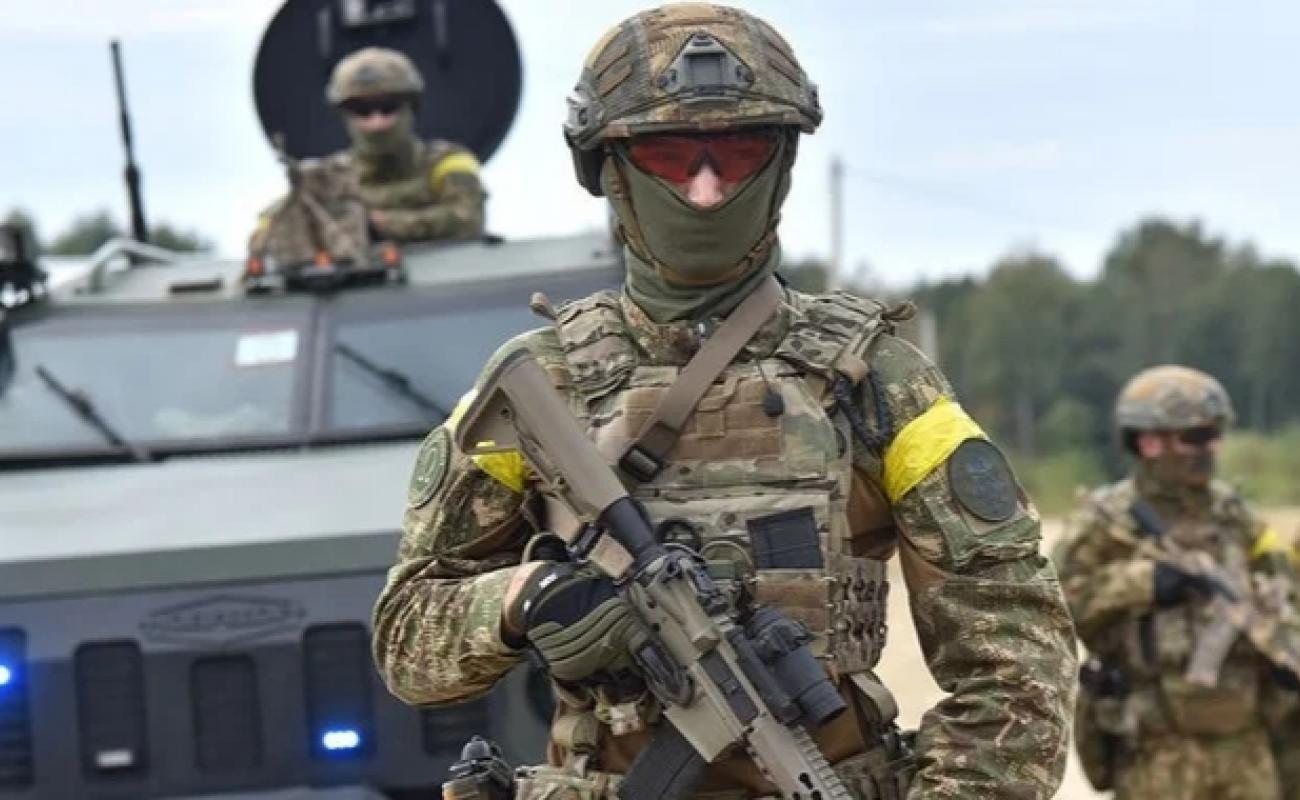
When people talk about a "war of attrition," they don't always understand what exactly is meant. Security expert Viktor Yagun clarifies everything, highlighting five key parameters of what is currently happening between Ukraine and Russia.
Since the morning of April 7, the situation looks very sober and without illusions: the war has entered the phase of a struggle for resources, endurance and pace, where it is no longer so important who made a loud statement, but who holds the system longer.
At the front - high intensity of fighting, more than a hundred clashes per day, massive use of KABs, drones and artillery, constant pressure on the Pokrovsky direction. But in parallel, there is another process - Ukrainian forces are not only holding the defense, but also intercepting the initiative, disrupting the Russian pace and pushing the enemy where he was counting on a slow breakthrough. This is no longer a war of quick breakthroughs - this is a war to disrupt the enemy's plans.
Another important process is that the war has begun to systematically penetrate deep into Russia. Attacks on Novorossiysk, oil infrastructure, and logistics are no longer informational campaigns. This is the beginning of the strategy of increasing the price of war for Russia itself. When not only warehouses near the front line burn, but also elements of the export infrastructure, it means a change in logic - Ukraine is hitting not only the army, but also the ability of the Kremlin to finance the war.
The third line is the energy war. Ukraine shows readiness to end the strikes, but the key question is whether Russia is ready for such a move. So far, all signs point to the opposite. The Kremlin used cold and energy strikes as a tool to pressure society, and still uses them. Therefore, any conversation about breaks should be judged not by words, but by the number of rockets and "Shahedas".
The fourth dimension is international. Ukraine continues to gain air defense, investments in energy, opens new markets, but at the same time the number and competition of crises is growing. The Middle East, Iran, global risks - all this objectively diverts attention and resources. This is not a betrayal or a conspiracy - this is the cold reality of great geopolitics: every new war divides the world's attention. And therefore, for Ukraine, the number one issue is not just getting support, but constantly proving its strategic importance.
The situation in the Middle East now looks like a classic spiral of escalation with a high risk of expanding the conflict. The US is increasing its role by putting pressure on Iran and demonstrating force, Tehran responds with harsh rhetoric and attempts at delay through diplomacy and intermediary structures. Europe is trying to play the role of a mediator, but it itself recognizes the limits of its influence. For Ukraine, the main risk here is very pragmatic: the longer the tension around Iran and the Strait of Hormuz lasts, the more oil prices will fluctuate, more American resources will be forced to be kept in the region, and competition for military assistance will become stronger. That is, for Ukraine this is not a foreign war - it is a factor of Ukrainian strategic stability.
The fifth story is internal stability. The government is trying to delay the solutions necessary for financing the EU and the IMF, because in a big war, money is also a weapon. Logistics projects, new markets, diplomatic contacts are no longer just economics, they are elements of the state's survival in a long war.
And another very dangerous trend that few people notice. Russia is already openly working not only with the army, but also with children and students. The militarization of education, the propaganda of youth structures, the inclusion of students in the war are signs that the Kremlin is thinking for generations. They are not preparing a rotation - they are preparing a generational shift for war.
Simply put: Russia is trying to win with time and mass for now. Ukraine is trying to win with precision, technology and international support. But the main factor has not changed - the one who can stay controlled, cool and organized the longest will win. Because in such wars, it is often not the one with fewer tanks who loses, but the one whose system is the first to tire.