
Sino-Russian Defence Ties in a Multipolar World: Shared Goals, Limited Trust, and Strategic Implications
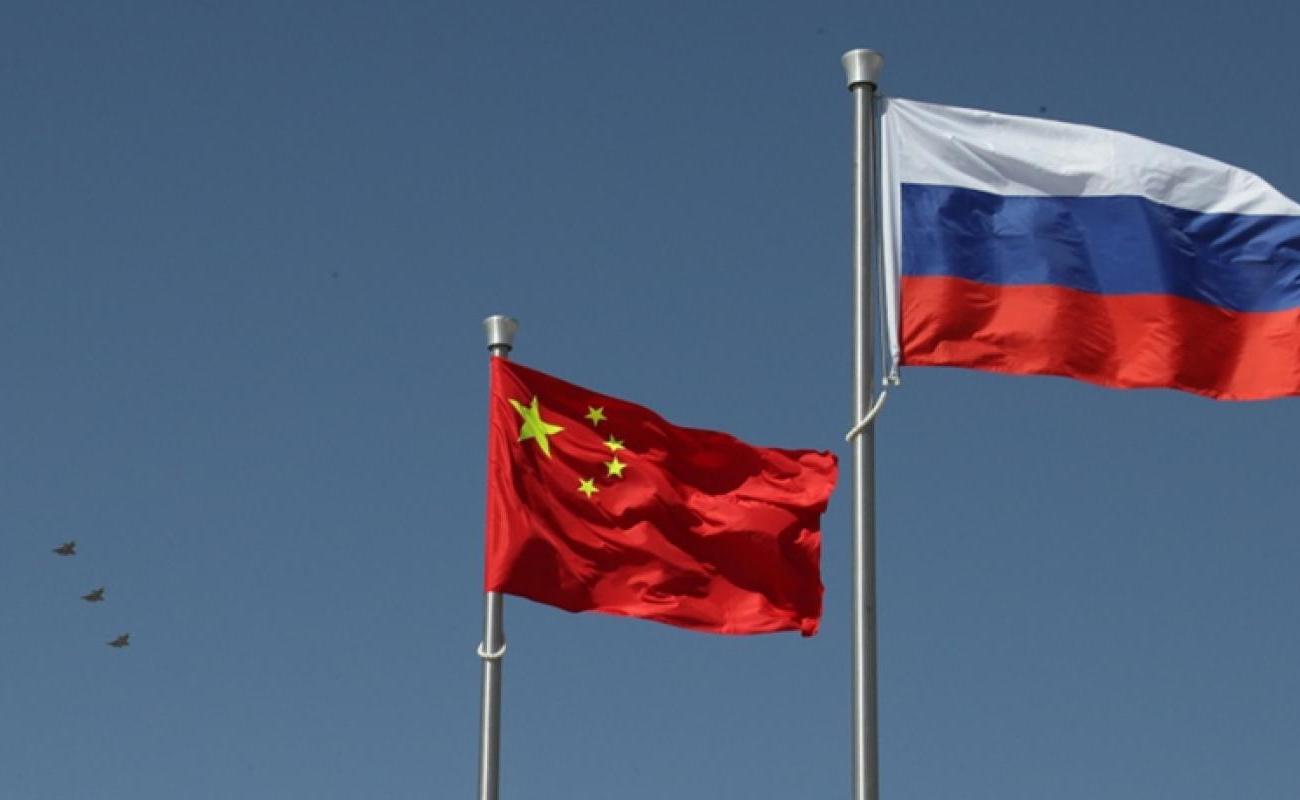
Analysing the drivers and constraints of Russia-China defence cooperation in contemporary international security
In 2026, the defence and security cooperation between Russia and China continues to attract attention as a key feature of great power dynamics. This alliance, which includes military-technical exchanges, joint exercises, and multilateral coordination, is largely motivated by shared strategic aims, such as challenging perceived Western dominance, boosting self-reliance, and supporting multipolarity (Chatham House, 2026). Mutual distrust, asymmetries, and a desire for flexibility over deep integration, however, continue to limit it (CEPA, 2025).
Shared strategic goals as the foundation
Deep mutual trust is not as important to the partnership as shared interests are. Resisting outside influences, promoting technical autonomy, and providing alternatives to frameworks dominated by the West are fundamentally important to both governments. China receives access to certain military technology and energy resources, while Russia wins political and economic backing in the face of sanctions (Chatham House, 2026). Therefore, complete trust in one another’s long-term goals is not needed (US Department of Defence, 2025). This pragmatic cooperation is allowing the actors to advance their capabilities in joint exercises across maritime, aerial, and other domains, alongside technology exchanges that support modernisation goals. These initiatives show determination and slightly increase compatibility, but they represent parallel rather than completely integrated efforts (MERICS, 2025). Analysis show that both countries place a high value on national autonomy, which restricts the degree of integration because of persistent mistrust and competitive dynamics. (NIDS, 2025).
Russian Energy Exports to China (2021–2025)
Source: MERICS China-Russia Dashboard, OSW Centre for Eastern Studies, Gazprom reports, China General Administration of Customs, and CREA (Centre for Research on Energy and Clean Air) data, 2021–2025.
Multilateral dimensions and regional effects
The two nations promote coordinated views on regional security and economic resilience through organisations like the Shanghai Cooperation Organization (SCO) and BRICS+ (Hudson Institute, 2025). In addition to offering choices to other governments, these initiatives affect how NATO and Indo-Pacific allies perceive threats, resulting in a more competitive and diverse security environment (ORF Middle East, 2026). Benefits from the partnership include increased resistance to sanctions and diplomatic clout. However, its transactional nature is highlighted by differences in priorities, historical sensitivities, and economic and military power imbalances, especially in areas like Central Asia. The collaboration falls short of a formal alliance as complete confidence is still difficult (US Department of Defence, 2025).
Russia-China defence relations will probably continue to influence multipolarity in the years to come, weighing the dangers of increased rivalry in areas like space and cyberspace against contributions to equilibrium (SIPRI, 2025). At the same time, it could complicate arms control efforts, intensifying competitive dynamics with NATO and other groupings. (Sinkkonen, 2025). The balance between contribution to stability through balanced deterrence and potential risks of fragmentation will depend on how both sides manage transparency, dialogue with other powers, and internal coordination.
Policy recommendations
It takes diplomatic skills and strategic pragmatism to craft successful solutions to this dynamic. Policymakers should confront its reality seeing it as a collaboration driven by common goals but constrained by mistrust. Practical steps could include more informal talks between experts and modest increases in transparency during joint exercises. This might slowly build habits of predictability. At the same time, Western countries and middle powers should focus on building strong defences and diverse supply chains without overreacting to every move by Russia and China. Countries in Eurasia and the Global South need help to make balanced choices that bring real benefits in security and development while avoiding dangerous dependencies. In the end, with many global problems that affect everyone, from economic pressures to future conflicts, smart leadership should combine firmness where needed with openness where possible. The goal is a more stable world that works for broader peace, not just short-term wins.