
Odesa ports under attack. What will happen to Ukrainian grain and who will suffer the most?
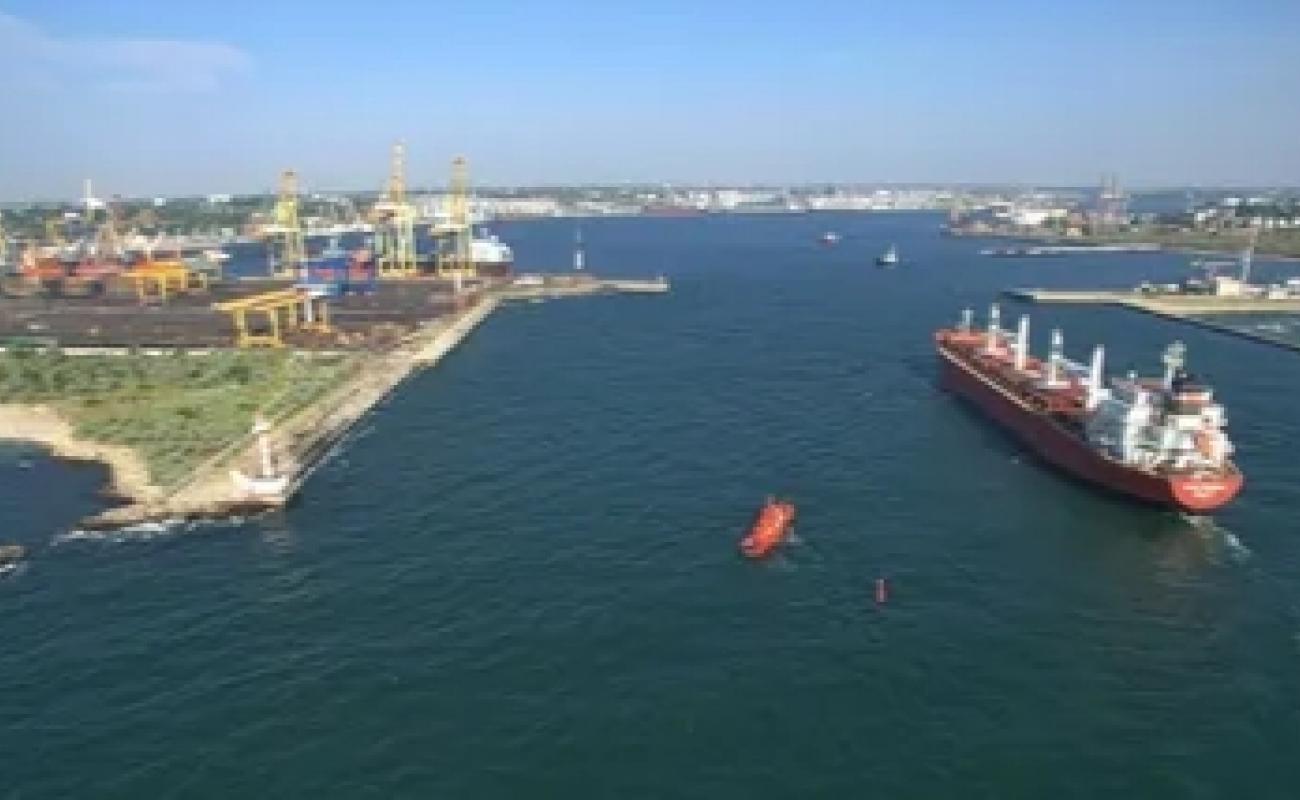
Chornomorsk is facing a problem: a shortage of workers at the enterprises located along the shores of the Sukhyi Estuary. Oil crops and grain terminals, packaging facilities agrochemicals, even a crab stick factory is looking for fitters, general workers, loaders, packers, economists, and programmers. They promise reservation, but there are no takers.
This is because almost the entire Sukhyi Estuary constitutes the waters of the Chornomorsk Seaport, the largest ...in the country for handling exports. Russians strike this location with Shahed drones and missiles several times a month. Top managers of agricultural companies and port terminals... are expecting, that in a few weeks the intensity of Russian attacks will increase—specifically targeting all the seaports of "Greater Odesa." LIGA.net investigated:
-
Is this forecast truly inevitable?
-
For which businesses are strikes on ports the most painful?
-
How will damaged ports affect consumer markets?
-
What are the possible options for protection?
What and how Shaheds, Gerans, and Kalibrs strike
Russian UAVs on June 22 attacked three merchant vessels anchored in the roadstead of the Chornomorsk port. They were waiting to be loaded with Ukrainian grain. Four weeks earlier, vegetable oil storage tanks within the port itself had been hit, and a few weeks before that, the Russians had completely destroyed Kernel’s oil terminal.
It appears that, as a result, Kernel’s share price on the Warsaw Stock Exchange has fallen by 15% over the past three months to PLN 19.3 per share. However, this is still better than the low of PLN 6.3 recorded in September 2023. At that time, the corporate... was at its peak. conflict between shareholders over a share issue and majority shareholder Andriy Verevskyi’s attempt to delist the company from the stock exchange.
Russian forces have also almost completely knocked out the vegetable oil export facilities at the Pivdennyi port. Storage tanks belonging to the American company Cargill and Singapore’s Delta Wilmar were damaged there. Against this backdrop, sunflower processing in Ukraine has fallen to a 12-year low. reports Svitlana Kyrychok, vegetable oil market analyst at APK-Inform
"The fact that property or cargo belongs to foreign companies does not deter the aggressor. Even US jurisdiction offers no protection—the 'Stars and Stripes' mean nothing to the Russians," says Kostiantyn Zahaikevych, CEO of Agroservice Holding.
Grain terminals have also been damaged. Due to strikes on the ports, export capacity has already been reduced by a third. reports Reuters.
$1.5 billion – the amount involved since the start of the full-scale invasion destroyed equipment, structures, and other property from private companies that own terminals in Ukrainian ports.
State-owned port operators do not report their losses.
According to Deputy Minister of Economy Taras Vysotskyi, due to the damage, the ports will be able to ship 4 million tons of grain per month instead of 6 million tons. Given that the current market price of wheat is around $225 per ton, the inflow of foreign currency into the country has dropped by $900 million per month.
Is inevitability real?
Business and government representatives interviewed by LIGA.net anticipate intense strikes on ports during July and August. A senior government official noted the threat of a "mirror response" to attacks on Russian oil infrastructure. Bohdan Lukiyanchuk, owner of the agricultural company Growex, points out that the harvest season sees a concentration of both grain trucks and ships around the ports.
"30% of the harvest will go straight from the fields to the ports. That is where everyone will converge at that time," says Lukiyanchuk.
Attacks at this time will make it possible to drive Ukrainian grain out of global markets, which benefits Russian grain exporters.
As for the targets for strikes, the three ports of "Greater Odesa"—Pivdennyi, Chornomorsk, and Odesa—handle over 90% of agricultural exports.
"There is no alternative to seaports: physically, no more than 10