
How Telegram became a death sentence for Russian soldiers
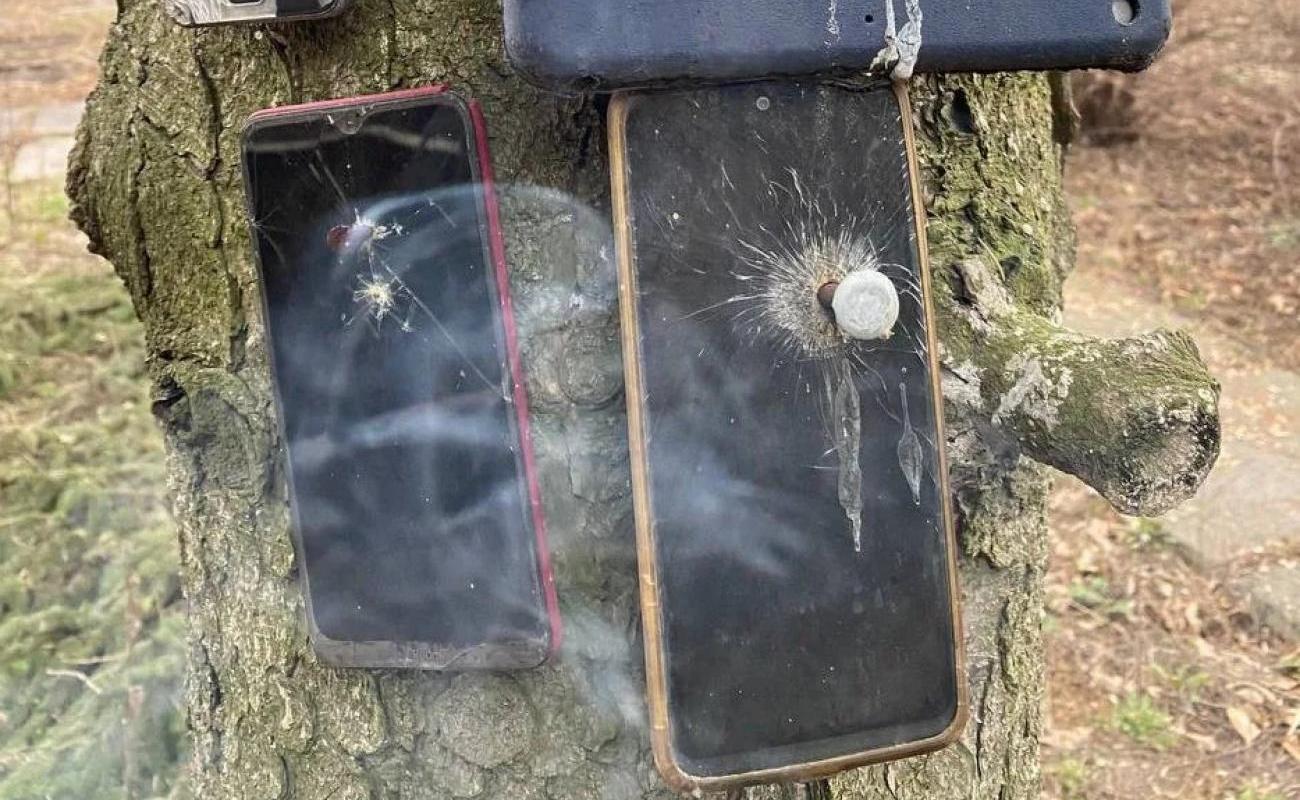
On the front line, Russian soldiers’ phones are smashed, abandoned and nailed to trees.
The offence? Using a messaging app available throughout the world.
For many troops, disobeying a new Russian law to access Telegram carries a deadly price: a “one-way ticket” into Russia’s notorious “meat grinder” assaults.
Leaked orders from the Russian ministry of defence reveal that Telegram has been banned immediately for operational use by Russian forces in Ukraine – a major blow to soldiers who depend on the app to co-ordinate and carry out assaults on the front lines.
According to the documents, the orders are intended to “counter enemy technical reconnaissance means”, as well as possible “leakage channels” and prevent the disclosure of information that could threaten the “special military operation”.
The use of the app will now be classed as a “gross disciplinary offence” – a serious infraction with a heavy price to pay.
Russian war bloggers claim that military personnel are now checking soldiers’ phones routinely, with anyone found to be using Telegram having their phone destroyed and sent on an assault mission they describe as a “one-way trip”.
The ban has delivered a severe blow to Russian troops, who depend on Telegram to exchange intelligence, co-ordinate assaults, and share real-time updates critical to the effectiveness of their operations.
“Losing a capability like Telegram, given how widely it’s used by Russian forces, could have a serious impact on their ability to fight,” Dr Thomas Withington, associate fellow in military sciences at the Royal United Services Institute (Rusi), told The Telegraph.
“It hampers your ability to co-ordinate, to adapt, and ultimately to fight, and in doing so, it hands your adversary a built-in speed advantage.”
One of the world’s largest messaging platforms with more than a billion users, Telegram is lauded as a secure space for communication.
Its hands-off moderation and claims of being technologically impenetrable have made it the go-to platform for those operating at the edges of the law.
It has proved a critical communications tool for governments, militaries and civilians alike – from official channels in Russia and Ukraine to protest movements in Hong Kong, Iran and Belarus.
Tensions have long simmered between Pavel Durov, Telegram’s Russian billionaire founder, and the government of his home country.
Mr Durov now faces pressure on two fronts: in the West, speculation continues that he maintains ties to Moscow, which he denies, while in Russia, he is confronted with a criminal case accusing him of aiding terrorism and allowing Telegram to be used by Western intelligence.
In recent months, Russia has repeatedly restricted the app in an effort to push users toward a state-run messenger known as MAX.
The move forms part of a broader digital crackdown by Moscow, with services such as WhatsApp and FaceTime also throttled amid growing signs of public discontent.
The government appears to be moving towards a China-style model of internet control, aimed at suppressing online criticism of the state and tightening its grip over the Kremlin’s narrative of the war.
But on the front line, it is too little, too late: Telegram has already become a vital tool in Russia’s war effort.
“Telegram is frequently used within the Russian military due to the inefficiency of the Russian army’s standard communications system and its convenience, as private messages allow for the immediate sharing of photos and videos, and the precise transmission of geolocation,” explained Solomiya Khoma, co-founder and head of international cooperation of the Ukrainian Security and Cooperation Centre.
The reliance on the app highlights how Russian forces have been forced to adapt informal tools for war – just as they have on the ground, improvising with everything from electric scooters to donkeys to navigate difficult terrain.