
EU sets aside €3.2bn for Montenegro’s accession, frontrunners receive boost as laggards lose out
The future EU budget has determined the amount to cover the costs of Montenegro’s membership. As the European Union prepares for its next enlargement wave, it is channeling significant resources toward the most advanced candidate countries while adjusting support for those falling behind on key reforms.
On 30 June the European Commission adopted a comprehensive financial package outlining the budgetary implications of Montenegro’s anticipated accession. This proposal represents a major milestone, coming shortly after EU member states agreed to begin drafting the Accession Treaty. Under the framework of Chapter 33 on financial and budgetary provisions, the package provides a transparent view of what Montenegro’s membership will mean for the EU’s finances. According to the Commission, Montenegro is projected to receive approximately €3.2 billion from the EU’s next seven-year budget (2028-2034) once it joins the eurobloc, targeted for 2028.
This figure covers agricultural subsidies, regional development funds, and other benefits that new member states typically access. For the EU taxpayers, the cost is modest – an estimated extra €1 per person per year across the 2028-2034 period. As one senior Commission official put it anonymously, “It’s a very cheap cup of coffee.” The overall next long-term EU budget, expected to reach around €2 trillion, will be adjusted accordingly to accommodate new members.
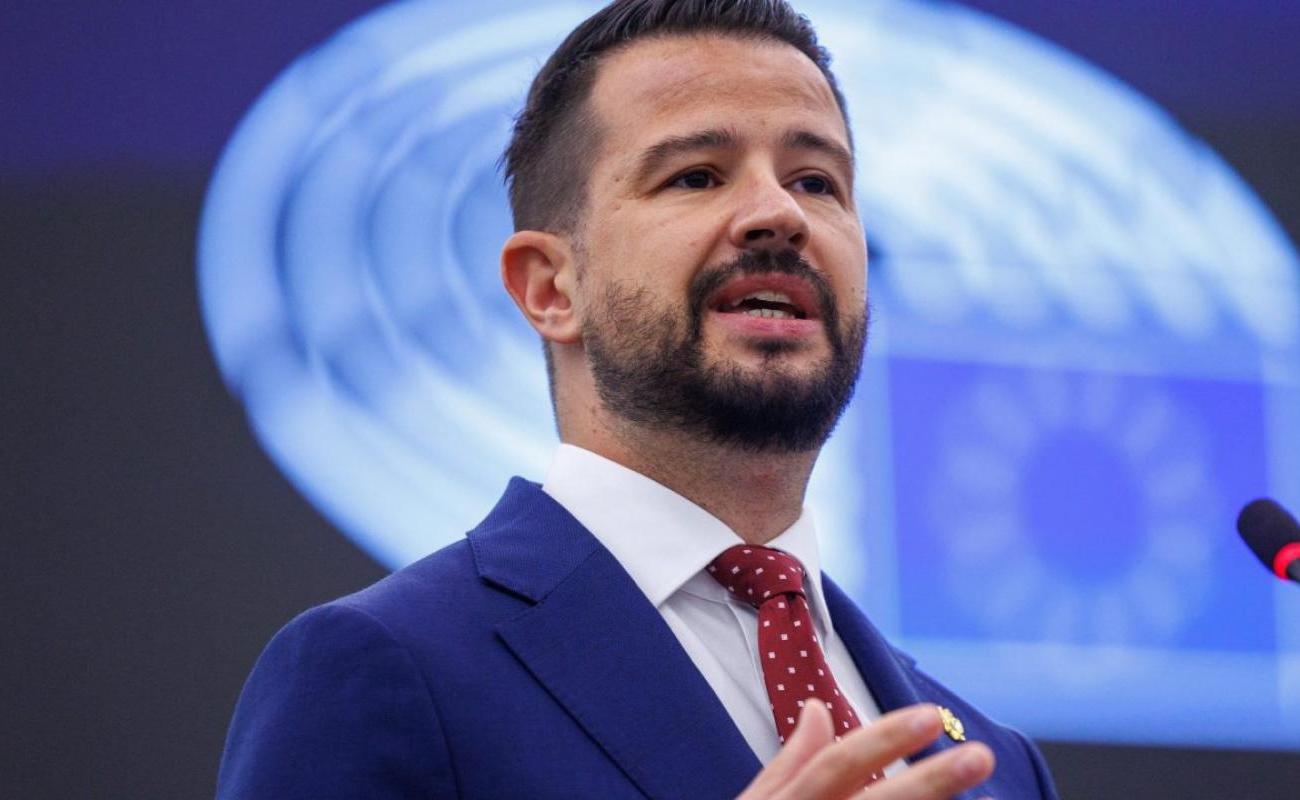
President Jakov Milatović welcomed the decision, describing it as confirmation that Montenegro’s European path has moved beyond aspiration into a structured process with institutional, financial, and budgetary foundations. “The EU is preparing for Montenegro and Montenegro must complete its European path,” he stated. European Commission President Ursula von der Leyen echoed this sentiment: “The package is another concrete step towards Montenegro’s future in our Union. We are getting Montenegro, member states and our institutions ready.”
Preparing for Montenegro’s smooth transition into the EU
The financial package is crafted to ensure Montenegro can fully participate in EU policies and the common budget both as a beneficiary and eventual contributor. It aims to avoid disruptions during the transition and reduce administrative hurdles. All projections align with the Commission’s broader proposal for the EU’s long-term budget presented on 16 July 2025. By offering the same terms and level of ambition as existing members, the plan seeks to accelerate economic convergence, foster growth, and deepen integration into the Single Market.
For Montenegrin citizens, businesses, and institutions, this translates into increased investments, stronger public administration, and greater opportunities. A larger, more integrated Union is viewed as stronger, enhancing Europe’s overall stability, connectivity, and competitiveness. The approach emphasizes results-based support across areas like regional development, agriculture, social policy, and home affairs, with disbursements tied to measurable progress. This mirrors the structured shift from pre-accession aid to full internal EU funding mechanisms.
Parallel to Montenegro’s specific accession package, the EU is reallocating broader reform funds across the Western Balkans. The Reform and Growth Facility, established in 2024 with a €6-billion envelope for the 2024-2027 period, was designed to accelerate economic growth and support EU-oriented reforms with the goal of doubling the region’s economies over the next decade. However, uptake has been uneven. As of recent assessments, only around €673 million has been disbursed, with the vast majority directed to the frontrunners: Montenegro, Albania, and North Macedonia.
These three countries have demonstrated consistent progress in implementing domestic reforms, earning them continued and increased support. In contrast, Bosnia and Herzegovina, Kosovo, and Serbia have lagged behind, resulting in withheld or reallocated funds. The mechanism operates on strict conditionality: countries must meet agreed reform deadlines or risk losing access to corresponding payments. A one-year grace period (extended to two years for the initial cycle) allows time to catch up before funds are redirected.
Rewarding reform momentum in the Western Balkans
The European Commission is now conducting a comprehensive review following the 30 June deadline. Unused allocations will flow to high performers. Bosnia and Herzegovina stands to lose the most, having received no funds so far due to its complex institutional structure and failure to advance required reforms. Kosovo and Serbia are also expected to see reduced shares. Enlargement Commissioner Marta Kos had warned all candidates in April to accelerate efforts or face consequences.
EU officials emphasize that this is not a punitive measure but an incentive-based system. “It’s like hourly pay – you only get paid for the work you actually do,” one anonymous official by Euronews explained. Countries were never automatically entitled to the funds without delivering results. The Commission plans to provide member states with detailed reallocation figures later in the month.
Recent disbursements highlight the rewards for progress. Albania received €49 million for advancements in business competitiveness, investment facilitation, and innovation, bringing its total to €212.8 million. Montenegro was awarded €44.2 million for reforms in research, innovation, and its national innovation ecosystem, reaching €89.3 million overall. North Macedonia secured €65.7 million tied to education financing and digital infrastructure in schools, for a cumulative €142.1 million. Portions of these funds support direct budget transfers, while others finance investment projects via the Western Balkans Investment Framework (WBIF).
The WBIF plays a key role, channeling grants and loans into priority areas such as sustainable transport, clean energy, digital connectivity, and human capital development. This aligns with the broader Growth Plan for the Western Balkans, adopted in 2023, which seeks to deliver tangible membership benefits early, integrating partners into the Single Market, boosting regional cooperation, and advancing reforms ahead of full accession.
EU institutions convey the message that enlargement remains a strategic investment in Europe’s future. Montenegro’s steady advancement best demonstrates that sustained political commitment and reforms can turn long-held aspirations into concrete realities.
Sources: The European External Action Service (EEAS), Euronews, BGNES, Bloomberg