
EBRD, EU and Banca Intesa boost support for women and underserved businesses in Serbia
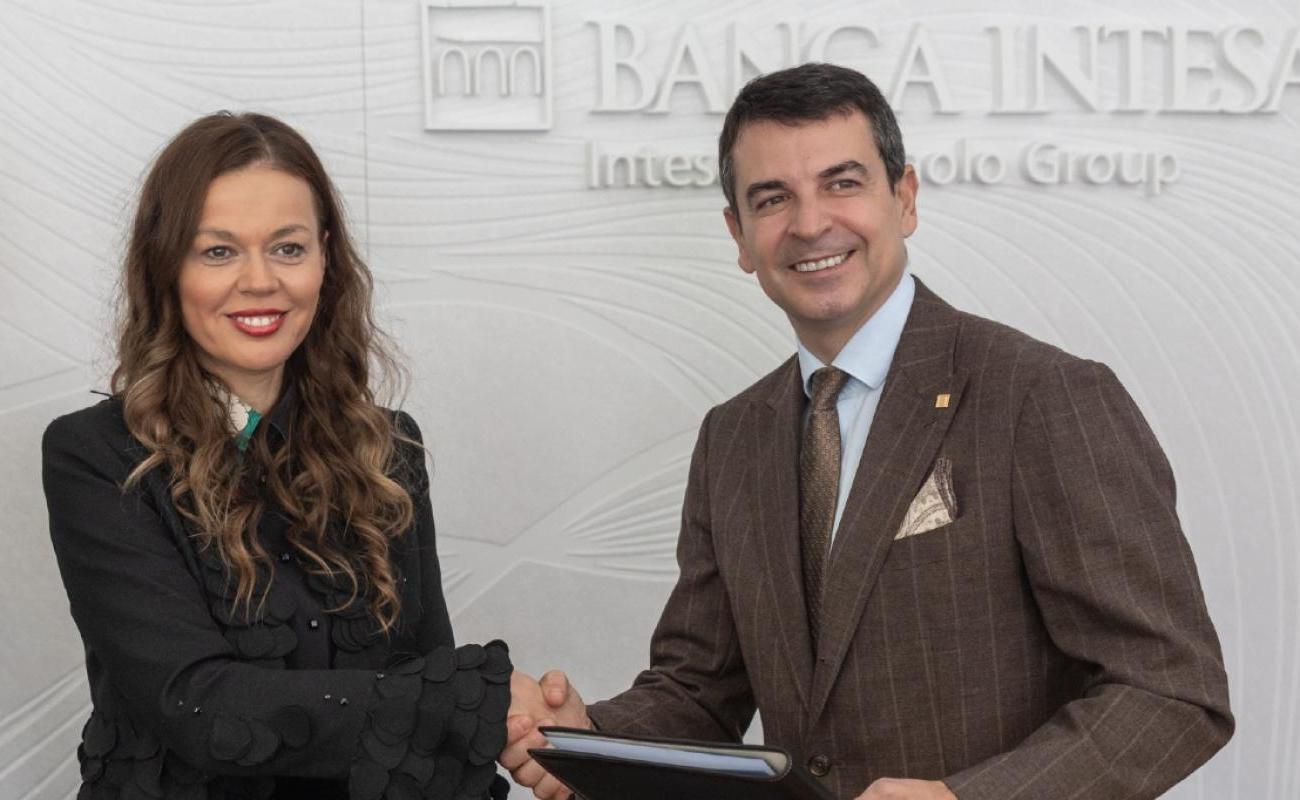
- Financial package of €120 million, of which €20 million to be on-lent to women-led businesses
- EBRD unfunded portfolio guarantee of up to €100 million to Banca Intesa in support of local SMEs
- Investments supported by the European Union in the form of technical cooperation and guarantees
The European Bank for Reconstruction and Development (EBRD) and the European Union (EU), in partnership with Banca Intesa in Serbia, are stepping up their support for women entrepreneurs and small businesses across the country.
The partners will make up to €120 million in new financing available to businesses that often struggle to access bank loans, including women-led enterprises, young entrepreneurs and small firms operating in tourism, agriculture and rural areas.
The package consists of:
- €20 million dedicated to women-led businesses, provided by the EBRD under its Women in Business programme
- up to €100 million in new loans for small and medium-sized enterprises (SMEs), enabled through an EBRD risk-sharing guarantee to Banca Intesa. Under this arrangement, the EBRD will cover up to 50 per cent of the credit risk on eligible SME loans, making it easier for Banca Intesa to lend to more businesses.
Both facilities are backed by the EU, which is providing technical assistance and a first-loss counter-guarantee through the European Fund for Sustainable Development Plus (EFSD+) programme.
By sharing part of the risk with Banca Intesa, the EBRD and EU are helping the bank to use more of its own resources to finance small businesses. This approach strengthens Banca Intesa’s resilience and allows it to reach companies that may otherwise be excluded from traditional lending.
Aleksandra Vukosavljevic, EBRD Director for Financial Institutions for the Western Balkans and Eastern Europe, said: “This partnership with Banca Intesa, supported by the European Union, marks a significant milestone in our efforts to expand access to finance for underserved businesses in Serbia. By sharing risk and combining innovative financial instruments with targeted technical assistance, we are enabling more SMEs and households to invest in their future, whether through business growth or energy-efficient home upgrades.”
Mauro di Veroli, Head of Cooperation at the Delegation of the European Union to Serbia, said: “Thanks to the financial guarantee and technical assistance provided by the EU, women-led businesses, young entrepreneurs and companies in rural areas will be able to access financing for their investments under more favourable conditions. Our support to underserved sectors contributes to sustainability, job creation and resilience of the economy, and is an essential part of our commitment to accelerate Serbia’s socio-economic convergence with the EU.”