
The Kremlin's main state bank begins mass layoffs due to problems in the economy
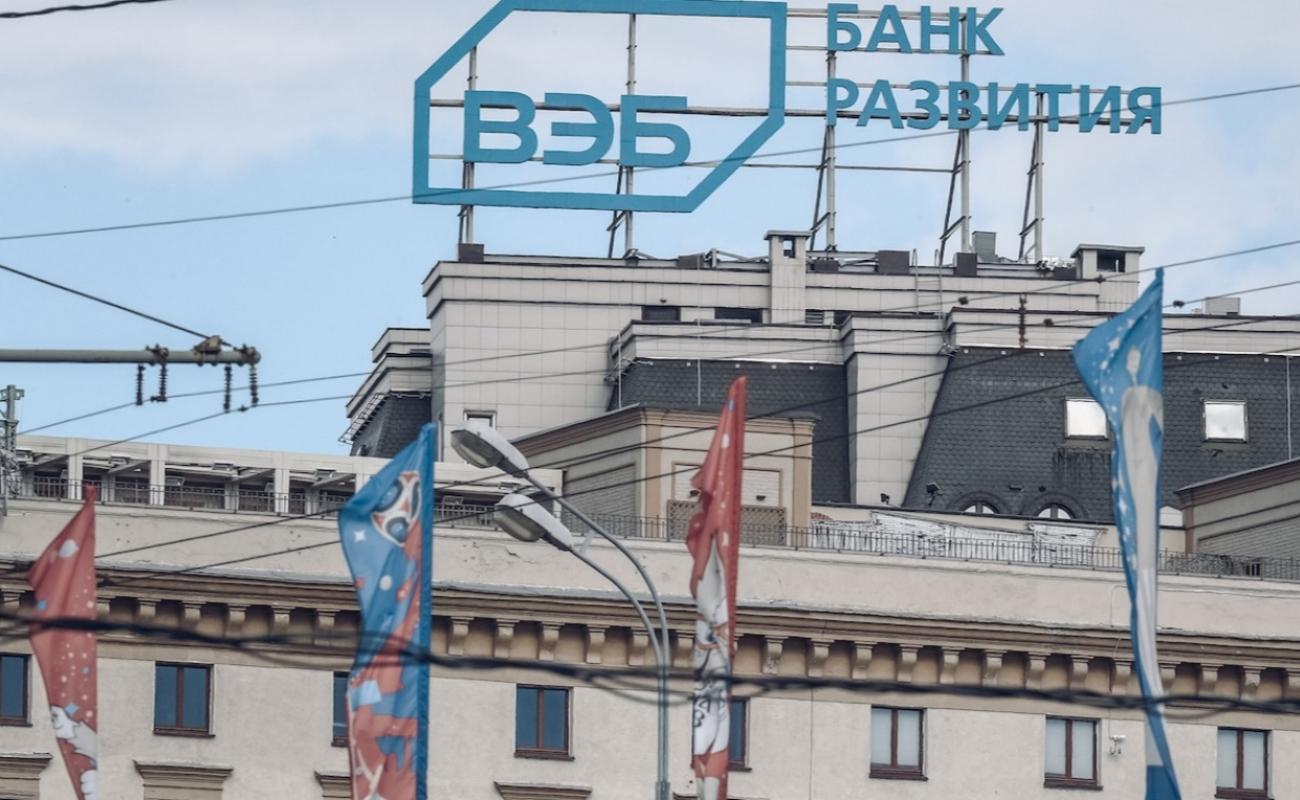
A wave of layoffs in large companies, which affected banks, metallurgical enterprises and car factories, reached Vnesheconombank, Russia's key state-owned bank, which has the status of a "state development corporation", manages the pension savings of 38 million citizens and finances the Kremlin's national projects.
In 2027, VEB.RF will reduce its budget, and also plans to lay off 15% of employees, the head of the bank, Igor Shuvalov, said at a meeting of the Federation Council Committee on Economic Policy.
He noted that VEB is making cuts in the context of a "credit cooling" of the economy. "We have already adopted an order 10 days ago, we have begun...this time we are reducing 15%, reducing the budget of our organization in order to reach the specified budgeting parameters for 2027," Reuters quoted Shuvalov as saying.
According to the head of VEB, the reduction in costs is due to government directives, and next year it will affect the subsidiaries of the VEB Group.
According to Get Experts, last year 25% of Russian companies laid off employees due to the deteriorating economic situation. Steel mills were forced to lay off about 3,000 people after demand for steel in the country collapsed by 15% and several large enterprises, including the Magnitogorsk Iron and Steel Works, became unprofitable.
Up to 20% of employees were fired by Sberbank, another 13 banks were reduced to 40% of staff. In 2026, a wave of layoffs was launched by Yandex; about 2 thousand workers were sent to the street by Kamaz, which received a record loss of 43 billion rubles last year.
VEB, according to its own reports, ended last year with a profit of 89.4 billion rubles. During the year, the government poured 407 billion rubles into the bank from the National Welfare Fund, which made VEB the largest sole recipient of the fund's money.
NWF funds flowed into VEB every month: in January, February, March, May and December, it received subordinated deposits (a total of 214 billion rubles), and from April to December - another 193 billion rubles for ordinary deposits.