
Children in North Macedonia surrounded by unhealthy food choices in and nearby schools
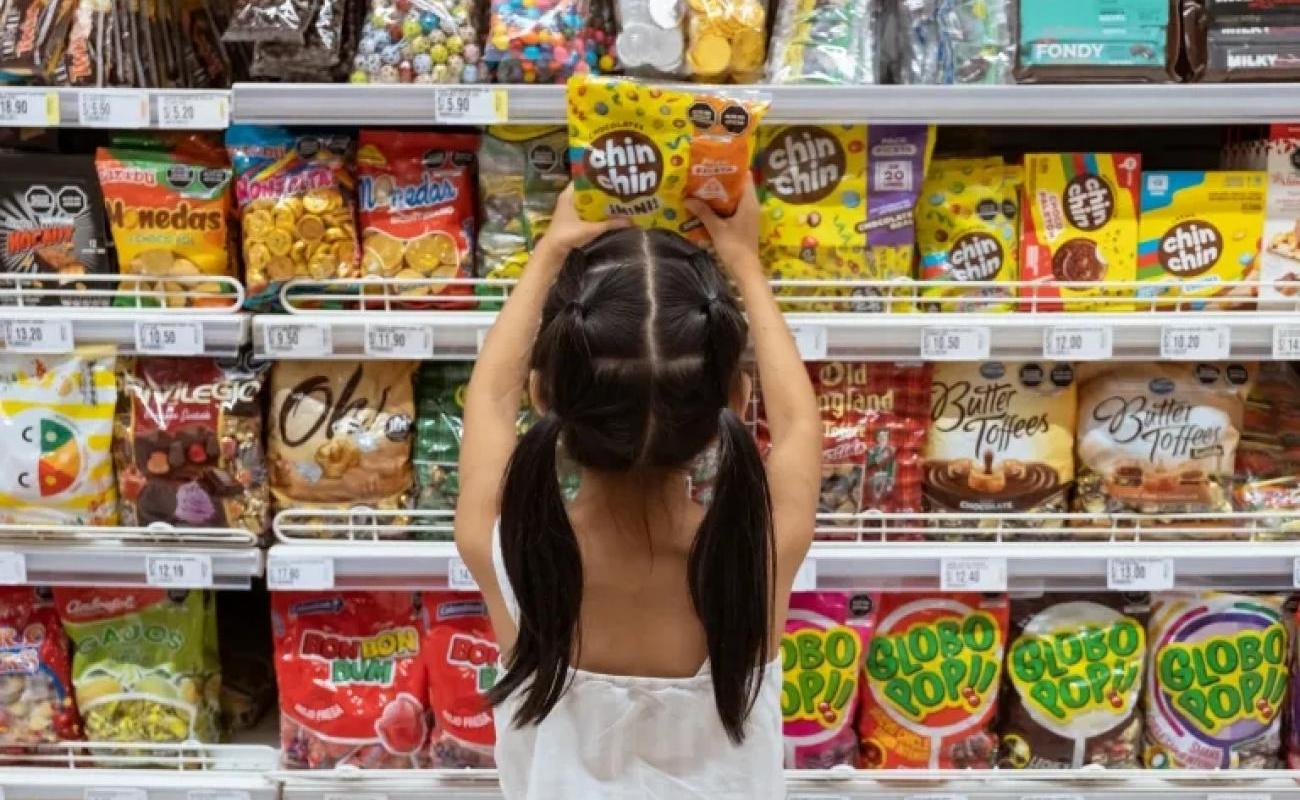
A new national assessment of school nutrition environments in North Macedonia reveals that unhealthy food and drink options are widely accessible and promoted within and around schools, while healthy options remain limited, shaping children’s diets and making it more difficult for them to choose healthy foods.
The assessment, conducted in collaboration with the Ministry of Education and Science, the Ministry of Health and the Institute of Public Health, with UNICEF support, is the first comprehensive review of school nutrition environments in the country. It covered 40 primary and secondary schools and included input from around 1,700 students.
The findings show a consistent pattern across school environments - wherever a child turns for food at school, the unhealthy option is always there, however the healthy option often isn't.
In the absence of a universal school meals programme, many children rely on food purchased at school shops or vending machines. The research found in every school where food was sold on-site (20 per cent of schools surveyed), all options were unhealthy. In addition, nearly all students can buy food from nearby shops during school hours, where snacks high in fat, sugar and salt, sugary drinks and ultra-processed products are not only widely available, but also heavily marketed.
The assessment found that schools providing meals (35 per cent of schools surveyed) generally comply with national nutrition standards. However, unhealthy foods remain common in school snacks, pointing to the need for stronger nutrition guidelines that introduce limits on unhealthy foods.
At the same time, the findings show strong support among students for healthier school food environments. More than 80 per cent support the provision of healthy and nutritious meals in schools, 60 per cent believe that reducing the availability of unhealthy food around schools would help them make healthier choices, and 85 per cent say that food sold in schools should be affordable.
“Children are growing up and learning in environments where unhealthy food options are more affordable, widely accessible and promoted - while healthier options remain limited,” said Lesley Miller, UNICEF Representative in North Macedonia. “Creating food environments that support nutritious choices is essential to protecting children’s health and support lifelong healthy habits.”
The findings add to growing evidence on child nutrition challenges in North Macedonia, where around one in three children aged 7–9 is living with overweight or obesity. They highlight the strong influence of school environments on children’s daily food choices.
“School is an environment where young people are shaped - where they learn, grow, and build habits and values that form their character and their future. With the support of families, and in partnership with UNICEF and other institutions, we are encouraging students through education to make healthier food choices.” said Vesna Janevska, Minister of Education and Science. ”Good nutrition is essential for children’s health, energy, growth and overall development.”
The assessment identifies several priority areas for action, including strengthening nutrition standards for school meals, improving access to healthy food options, expanding nutrition education, and introducing stronger measures to limit the marketing and sale of ultra processed food and sugary drinks in and around schools.
“The health and wellbeing of every child depends on the nutrition environment that surrounds them daily - at home, at school, and in the other social spaces where they move, socialize, and have fun. These findings make clear that we must take stronger, coordinated action to ensure that healthier, safer and more nutritious food choices are available and accessible in and around schools.” said Azir Aliu, Minister of Health. “By working together across sectors, we can help create conditions that support healthy growth, prevent obesity and give every child a better chance to thrive.”
To amplify children’s voices, UNICEF and partners are launching the #WhatsToEat campaign, co-created with children and adolescents across the country.
The campaign calls for healthier school food environments and reduced exposure to unhealthy food marketing, highlighting a simple message: healthy choices are difficult to make when unhealthy options dominate.
As part of the campaign, students across the country are invited to take part in #WhatsToEat social media challenge, help raise awareness about the realities children face every day and encourage public discussion on healthier school environments.
Creating healthier environments for children requires coordinated action from schools, families, municipalities, policymakers, health and the private sector. It means ensuring that healthy choices are easier and more accessible for every child.