
Analysis: Can Moldova regain control of Gagauzia?
This article by Sergiy Sydorenko, chief editor of European Pravda, based on an interview with Ivan Kapsamun – an ethnic Gagauz, journalist, and Ukrainian soldier – stresses that not all Gagauz are “vatniki” (pro-Russian).
The Gagauz are a small Turkic-speaking, Orthodox Christian ethnic group living primarily in southern Moldova. Despite their non-Slavic origins and a traumatic history under Soviet rule – including deportations, repression, and forced Russification – the Gagauz Autonomous Region (Gagauz Yeri) has become one of the most pro-Russian territories in Moldova, often surpassing even Transnistria in its political loyalty to Moscow.
Creation of the autonomy and the roots of pro-Russian sentiment
Moldova established the Gagauz autonomy in 1994 as a compromise to prevent separatism. In the early 1990s, the Gagauz had declared an unrecognised “Gagauz Republic” in Comrat. With mediation from Turkey, they reached an agreement with Chișinău that granted them significant self-rule within Moldova’s unitary state.
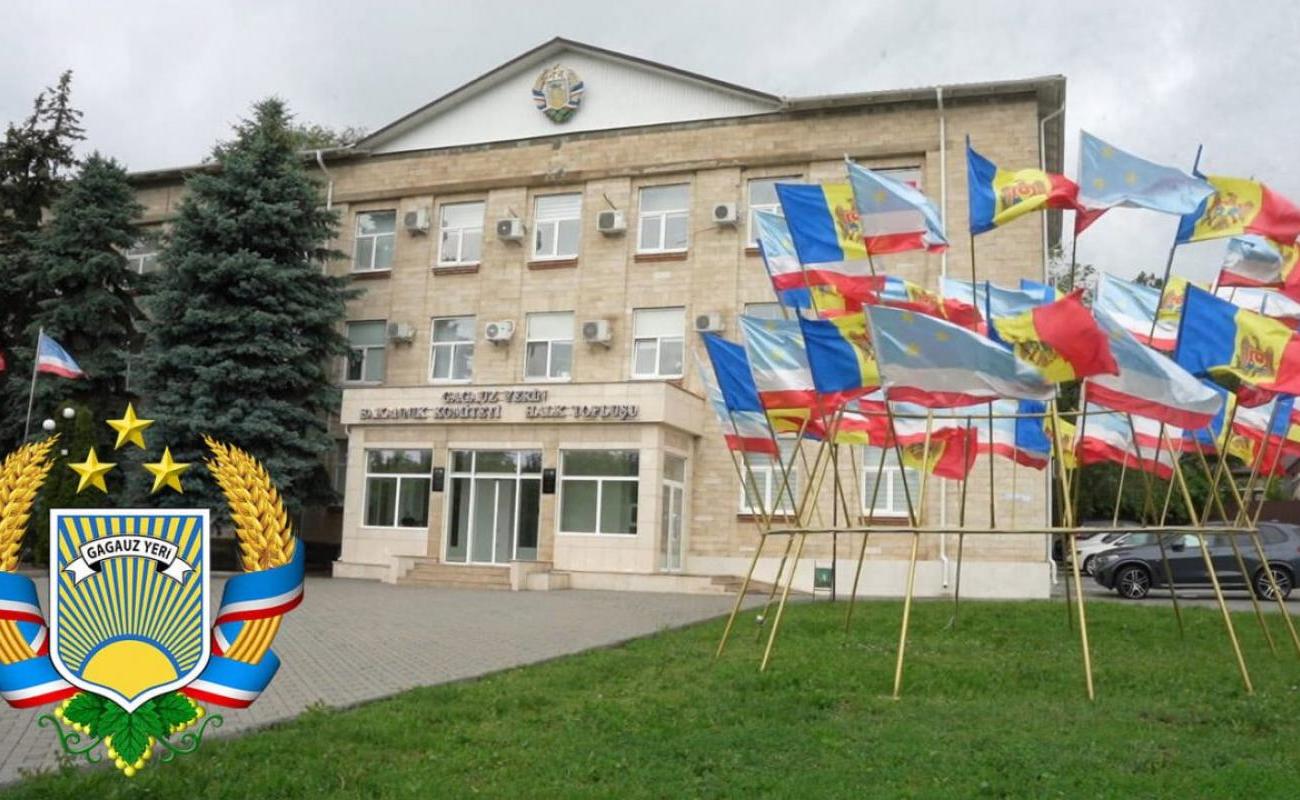
The autonomy has its own bashkan (governor), executive committee, People’s Assembly (parliament), flag, coat of arms, and three official languages: Gagauz, Moldovan/Romanian, and Russian. The original goal was to preserve the Gagauz people and revive their Turkic language.
In reality, the region quickly fell under heavy Russian influence. From the moment Moldova gained independence, Russian propaganda worked systematically to orient the Gagauz toward Moscow and turn Gagauzia into a “reservation of the Russian world.” For decades, the unwritten rule in local politics has been simple: to win power, you must publicly declare love for Russia.
This pattern held through successive leaders – Georgy Tabunshchik, Mikhail Formuzal, and Irina Vlah (who campaigned with billboards reading “Together with Russia”). It reached a new level in 2023 with the election of Evghenia Guțul (also spelled Yevgenia Gutsul), a previously unknown figure heavily promoted and allegedly financed by the pro-Russian oligarch Ilan Shor with Moscow’s support. Votes were effectively bought, building on years of propaganda. Guțul is now in prison, sentenced to seven years for illegal Russian financing, but pro-Kremlin figures continue to control the region in an acting capacity.
The historical irony
The loyalty to Russia is especially striking given the Gagauz experience under Soviet rule. After the Red Army returned in 1944, the Gagauz faced the full range of Stalinist repressions: artificial famine, dekulakization, mass deportations to Siberia, political repression, and labour armies. The Soviet authorities largely destroyed the Gagauz intellectual elite and suppressed their language and culture.
Yet many Gagauz still view the Soviet period nostalgically. They associate it with industrialisation, education, and social stability, and Russian propaganda has successfully framed Moscow as the protector of Gagauz identity against supposed Romanian/Moldovan assimilation. Ironically, the autonomy created to save the Gagauz language now often prioritises Russian instead. Russian remains the dominant language in education, media, and daily life.
Current crisis and Moldova’s efforts to regain control
The current leadership in Chișinău is trying to break Moscow’s grip. Guțul’s imprisonment and the flight of several allies have weakened the pro-Russian network, but influence persists. The acting bashkan, Ilia Uzun (also linked to Shor), plays a largely decorative role while criticising the central government.
The People’s Assembly’s mandate expired in late 2025, leaving the region without fully legitimate institutions. New elections are urgently needed, but local electoral rules conflict with Moldova’s national legislation. Moscow and its proxies have repeatedly tried to organise votes on their own terms, while Chișinău has blocked them to prevent another manipulated outcome.
Moldovan authorities aim to align Gagauzia’s electoral rules with national standards and dismantle vote-buying networks. Pro-European local figures, such as the mayor of Comrat, Serghei Anastasov, are considering running for bashkan, offering a rare chance for change. However, decades of propaganda mean many residents may still support openly pro-Russian candidates.
Lessons for Ukraine and the path forward
Around 30,000 Gagauz live in Ukraine (mainly in Odesa region), and hundreds are fighting in the Ukrainian armed forces, with dozens killed or wounded. Ukrainian Gagauz are well integrated and show strong loyalty to Ukraine.
Kapsamun argues that Ukraine and Moldova should jointly promote contacts between the two Gagauz communities, run counter-propaganda campaigns, and highlight the positive example of integration in Ukraine. He also supports recognising Gagauz as an indigenous people in Ukraine to help preserve their language and culture, creating an attractive alternative model for those in Moldova.
In short, Gagauzia demonstrates the power of long-term hybrid influence. A Turkic, Christian minority that suffered under Soviet rule has become one of Russia’s most reliable political assets in Moldova. Breaking this grip will require sustained efforts in de-propagandisation, fair elections, and genuine integration – work that Chișinău is now attempting, with potential support from partners like Ukraine.
The original article in Ukrainian by EUalive’s partner European Pravda can be found here.
Caption: Gagauzia in Moldova has all the formal signs of autonomy: a local government and parliament (administrative building in the background), a photo of Newsmaker, its own flag (on the right – together with the flags of Moldova) and coat of arms (on the left), etc. But in reality, Moscow calls the shots in the region.