
12 European countries call on EU to strengthen presence in Arctic facing Russia and China
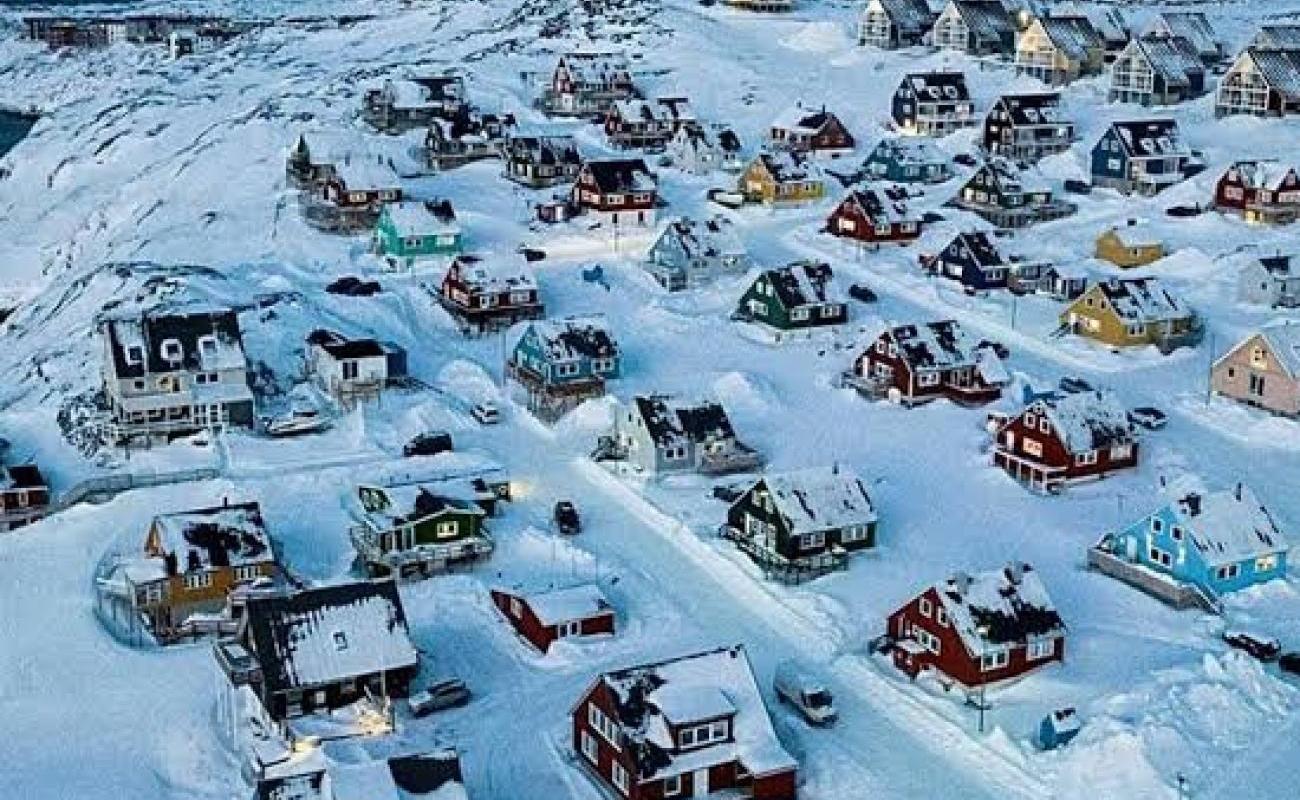
Russia is expanding its military presence in the Arctic, and China is also interested. That is why twelve European countries have called on the European Union to increase its strategic and security presence in the Arctic, as the region increasingly becomes a geopolitical flashpoint. The call came at the European Arctic Summit in Rovaniemi, Finland, where participating countries called for the EU to take “a more strategic and proactive role in the European Arctic,” euronews writes, reports The Geopost.
The summit was attended, among others, by German Chancellor Friedrich Merz, Danish Prime Minister Mette Frederiksen, and French Foreign Minister Jean-Noël Barrot.
The EU High Representative for Foreign Affairs and Security Policy, Kaja Kallas, warned that developments in the region require increased vigilance from Europe.
According to Kallas, the EU should be attentive to Russia's increased military activity in the Arctic, but also to China's growing interest in the region.
She announced that the EU is expected to present a new strategy for the Arctic in October, which will have security at its center.
"It is clear that this is part of Europe's security architecture," Kallas said.
The Arctic is of particular strategic importance, as it connects Europe to North America and encompasses important transport, communication and trade routes. Melting ice and easier access to previously inaccessible areas are also increasing the importance of natural resources and new sea routes.
According to NATO, Russia has significantly increased its military activity in the Arctic. Moscow has created a new Arctic Command, opened military facilities and tested new weapons systems.
China, meanwhile, has significant economic and strategic interests in the region, particularly in access to critical minerals, energy resources, and new lines of communication.
This has turned the Arctic into one of the spaces where competition between great powers is becoming increasingly apparent.
Greenland at the center of the geopolitical race
In this context, Greenland, an autonomous territory of the Kingdom of Denmark, is also of particular importance.
The Rovaniemi summit took place shortly after European Commission President Ursula von der Leyen's visit to Greenland, where the EU signaled greater political and economic support for the island.
During the visit, von der Leyen announced a 200 million euro partnership with Greenland, with investments expected to be realized during this year and next year.
This comes at a time when US President Donald Trump has repeated demands for the US to take control of Greenland, justifying this on grounds of "national security".
Trump has argued that if the US does not tighten control over the island, it could become a target for Russia or China.
Washington's approach has sparked opposition in Europe, as Brussels seeks to increase its political and economic presence in a territory considered increasingly important for European security.
Greenland has been an important part of North America's security architecture for decades.
At the height of the Cold War, the US had 17 military facilities and more than 10 troops on the island.
Today, the US only operates Pituffik Space Base, the northernmost installation of the US Department of Defense.
According to the US Space Force, the base is used for missile warning and defense, as well as space surveillance.
For Europe, developments in the Arctic are thus taking on a new security dimension. The growing Russian military presence, China's strategic interests, and the competition over Greenland are pushing the EU to treat the Arctic no longer just as an environmental and economic issue, but as an important part of the continent's security architecture./TheGeopost