
Ukraine’s energy decentralization is a race against time—opinion
Ukraine’s energy system is facing its most severe crisis since the start of the full‑scale invasion.
Since January alone, Russia has carried out over 20 targeted strikes on critical infrastructure, creating a 7‑gigawatt electricity deficit and damaging 9.3 gigawatts of generation capacity across thermal, combined heat and power, and hydropower facilities.
Every major power plant in the country has been hit at least once since 2022. The grid is now fragile and vulnerable to cascading failures, even without active attacks. This has forced widespread outages — sometimes up to 22 hours a day — in regions including Kyiv, Kherson, Mykolaiv, and Sumy.
These are not just statistics; they represent a deepening humanitarian crisis. In high-rise buildings across these regions, the loss of power triggers a cascading failure of water and sewage systems, leaving families trapped in apartments where temperatures have plummeted to only 2 degrees Celsius for weeks on end.
In Kyiv, the situation has approached a humanitarian catastrophe. The city’s modern high‑rise buildings depend entirely on electricity; when power goes out, residents simultaneously lose heat, water, and sewage systems.
UNDP and its international partners are working with Ukrainians to stave off catastrophe. This month, I met a Swedish engineer who has spent the past six months working day and night at one of Ukraine’s critical energy infrastructure sites, helping to keep homes heated in this time of crisis.
This international support is matched by the quiet heroism of Ukrainian repair crews. Working in arctic temperatures and under the constant threat of “double-tap” strikes, where a second missile targets those arriving to help, these teams work around the clock. Despite being understaffed and exhausted, their commitment to reconnecting the grid in the face of such peril inspires us all.
But as the winter of 2025/2026 continues to test Ukrainians’ endurance, a valid question has surfaced in the media: “With all this equipment arriving, why is the connection to the grid not happening faster?”
It is a question born of urgency and necessity, and it deserves a transparent answer.
A system under fire
To understand the pace of connection, one must first understand the scale of the challenge. According to the Fifth Rapid Damage and Needs Assessment (RDNA5), damage to the energy sector has increased by about $4 billion since RDNA4, reaching a staggering total of $24.8 billion. Since early 2022, nearly two-thirds of Ukraine’s dispatchable power generation has been damaged or destroyed. Ukraine is not merely fixing a few broken wires; the country is attempting to reconstruct a massive, centralized Soviet-era architecture into a flexible, decentralized European-aligned system – all while under constant bombardment. With the loss of domestic generation resources due to intense Russian strikes, Ukraine’s electricity imports in January 2026 jumped by 40%, to a record 894 GWh.
Systematic attacks have fundamentally altered the landscape of recovery, pushing total 10-year reconstruction needs for the energy sector alone to $90.6 billion. This figure reflects a necessary shift from simple repairs to a "Build Back Better" strategy that prioritizes grid modernization, energy efficiency, and the deployment of backup power solutions for critical public services like hospitals and water utilities.
Meanwhile, between the procurement of new energy equipment and its connection to the national grid, fundamental hurdles have to be overcome.
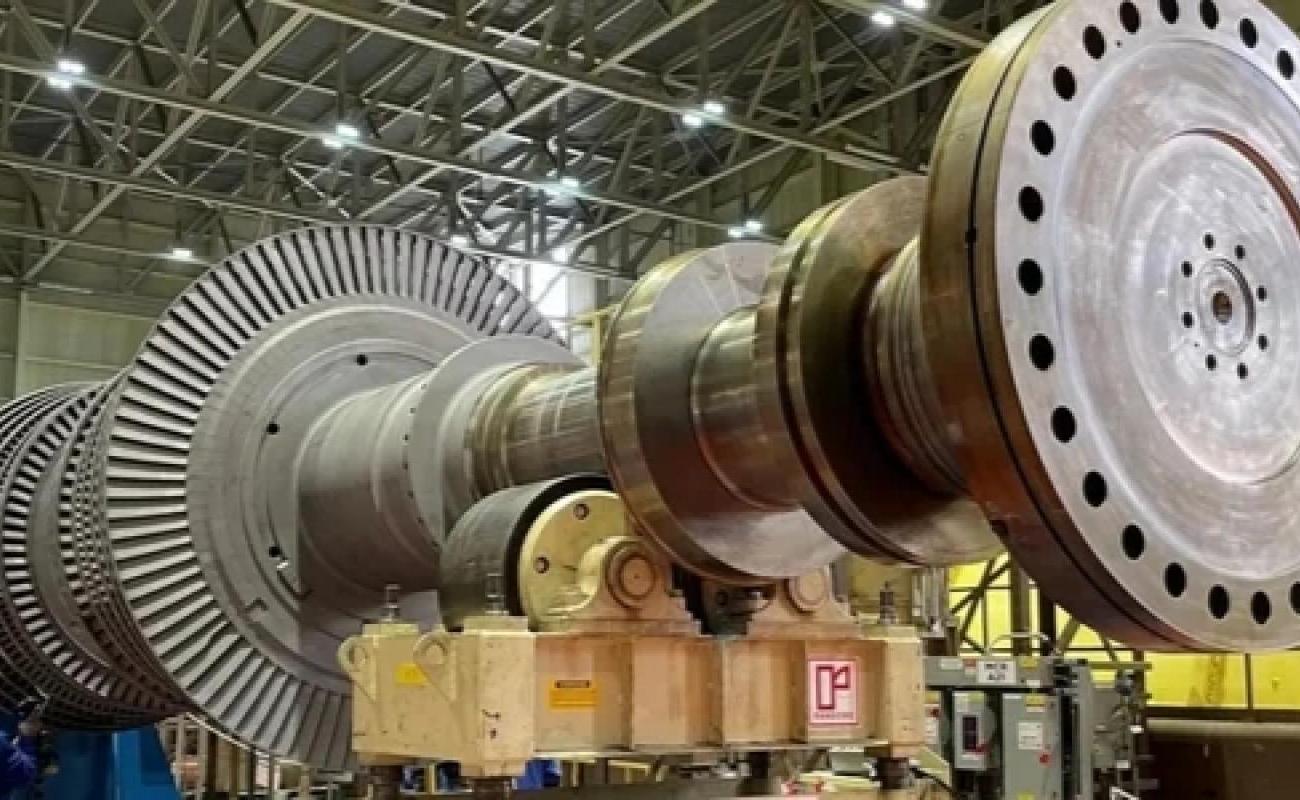
For instance, connecting large assets like 50MW gas turbines requires precise synchronization with a grid operating in emergency mode. The system is now so degraded that technical malfunctions alone can cause national-scale outages.
In addition, Ukraine’s autotransformers now have to be shielded by massive concrete structures to withstand direct hits. This vital layer of "passive defense" adds weeks to timelines but ensures a delivered asset isn't destroyed tomorrow.
Read also: Volodymyr Zelenskyy vows community overhaul as Kyiv energy situation is catastrophic
The defense of decentralization
While the immediate goal is to keep the lights on this winter, UNDP’s strategy with the Government of Ukraine is also focused on a long-term “Green Energy Recovery”. We are now moving away from the “survive winter-to-winter” cycle.
Our strategy is built on the pillars of protecting existing assets, diversifying energy sources, and building-in systemic redundancy. Decentralization is our best defense. When you have hundreds of small power sources — gas piston engines, solar arrays, and modular boiler houses — instead of a few massive power plants, it is much more difficult to do major damage to the energy grid in any single strike, Moreover, this distributed energy resource or DER model is not just a wartime necessity; it is a cost-effective, green roadmap that aligns Ukraine with the European Union’s energy standards.
A critical component of this effort is our work in the natural gas sector. In partnership with Naftogaz and Ukrgasvydobuvannya [state oil and gas company and its gas extraction subsidiary], UNDP has overseen the delivery of high-capacity gas-fired generator sets and gas-piston cogeneration units. In regions like Dnipropetrovsk Oblast, this equipment is already providing a vital shield, securing backup heat and power for over 500,000 residents and ensuring that essential services remain operational even during peak deficits.
Patient partnership
We are operating with a fierce sense of urgency. Preparations for the 2026/2027 heating season have already begun. We cannot wait for the current frost to thaw before we shore up defenses for next winter; the window to install new capacity is narrow, and every day counts.
To aid in this, UNDP is playing a central role in mobilizing support from the international community, leading the Energy Coordination Group (ECG) to align international aid with national priorities. Beyond planning, we are delivering tangible results: providing technical assistance for complex risk assessments and procuring critical equipment. To date, UNDP has facilitated a pipeline of over 580 MW of new generating capacity, including procured, in-procurement, and planned assets.
Everyone in Ukraine wants energy repair and transformation to proceed as quickly as possible, and we feel a sense of urgency every time a siren sounds. But even in a race against time, our priority must be resilience over haste. A rushed connection that could fail during a peak load in February is a far greater risk than a meticulous connection that holds firm for years to come.
That is why UNDP is committed to staying on the ground for the long-haul — maintaining the high-velocity response needed today while building enduring infrastructure for tomorrow. We will stay in the race, working community by community, until every light in Ukraine is back on — and stays on.