
Novi Pazar to Receive More Reliable and Cleaner Heating with EU Support
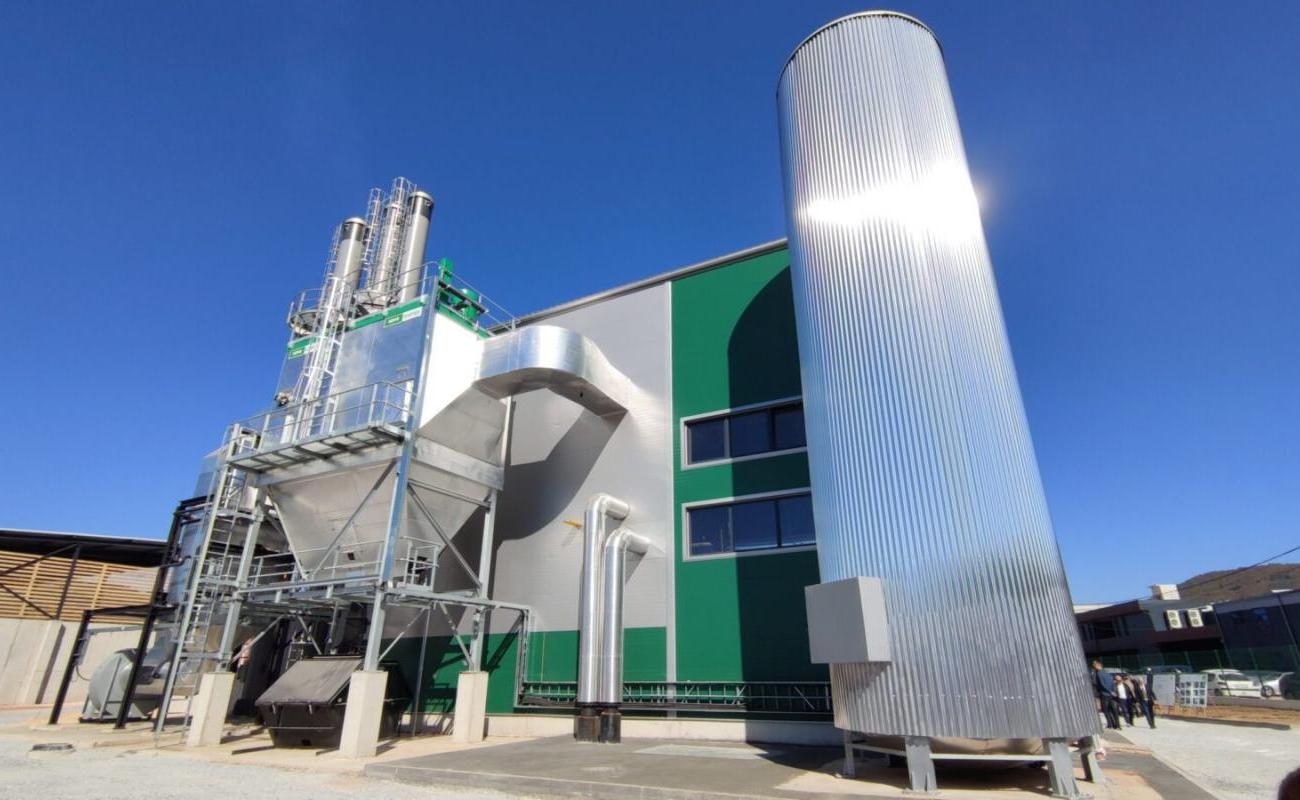
City of Novi Pazar will take part in the second phase of the project Development of the Biomass Market in the Republic of Serbia, implemented by the Ministry of Mining and Energy with the support of the German Development Bank (KfW), the European Union, and the Government of Germany. The project will provide the city’s residents with a more reliable and cleaner district heating system.
With a total investment of €31.9 million, the project will run until 2029 and expand the use of renewable energy in district heating systems across 10 cities in Serbia.
Under the second phase, the Novi Pazar biomass heating plant will be upgraded with an additional 5 MW biomass boiler, solar panels that will generate the electricity needed to operate the facility, as well as the replacement of parts of the existing district heating network and the construction of new pipeline infrastructure.
„The total investment for Novi Pazar is estimated at between €4 million and €4.5 million. We expect that the construction of the new boiler will increase the plant’s capacity, enabling it to heat between 320,000 and 350,000 square metres of usable space, compared to the current 200,000 square metres,“ said Vladimir Marinković, Deputy Mayor of Novi Pazar.
He added that a project to decommission the boiler house serving the Bor residential building is already underway. The project, financed by the Ministry of Environmental Protection and the local government, is worth RSD 134 million, and all of its current users are expected to be connected to the new district heating plant.
„The plan is also to connect two new residential buildings in Rasim Halilović Street, as well as the primary school, secondary schools, and the State University of Novi Pazar in Vuk Karadžić Street. This will allow us to shut down two pellet-fired boiler houses and one fuel oil boiler at the State University, which is one of the city’s largest sources of pollution. These are tangible benefits—we will reduce sulphur dioxide emissions to zero and cut carbon dioxide emissions by 90 to 95 per cent, while significantly improving the quality of heating,“ Marinković said.
The signing of the agreement between the City of Novi Pazar, the Ministry of Mining and Energy, and KfW is expected this autumn. This is a prerequisite for launching the public procurement procedure for construction works, which Marinković hopes will begin in the first half of 2027.
„Once the boiler house in the Lug neighbourhood and the boiler houses serving public buildings are phased out, and the biomass district heating plant is expanded under this project, Novi Pazar will have one of the most modern district heating systems in Serbia,“ Marinković said.
Four years ago, Novi Pazar built its biomass district heating plant with a loan from the German Development Bank (KfW) and a €1 million grant from the Government of Switzerland. The project enabled the closure of the city’s old fuel oil-fired heating plant, located in the town centre, which had been one of the area’s major sources of air pollution.
The Development of the Biomass Market in the Republic of Serbia project forms part of the Regional Energy Efficiency Programme (REEP), which supports investments in energy efficiency and renewable energy throughout the Western Balkans.
Since its launch in 2013, the programme, implemented in cooperation with the European Bank for Reconstruction and Development (EBRD) and the German Development Bank (KfW), has built an investment portfolio worth €1 billion and continues to support the region’s green transition, including an additional €88 million approved for future investments.