
Lukoil has become unprofitable for the first time in the company's 30-year history (for fiscal 2025).
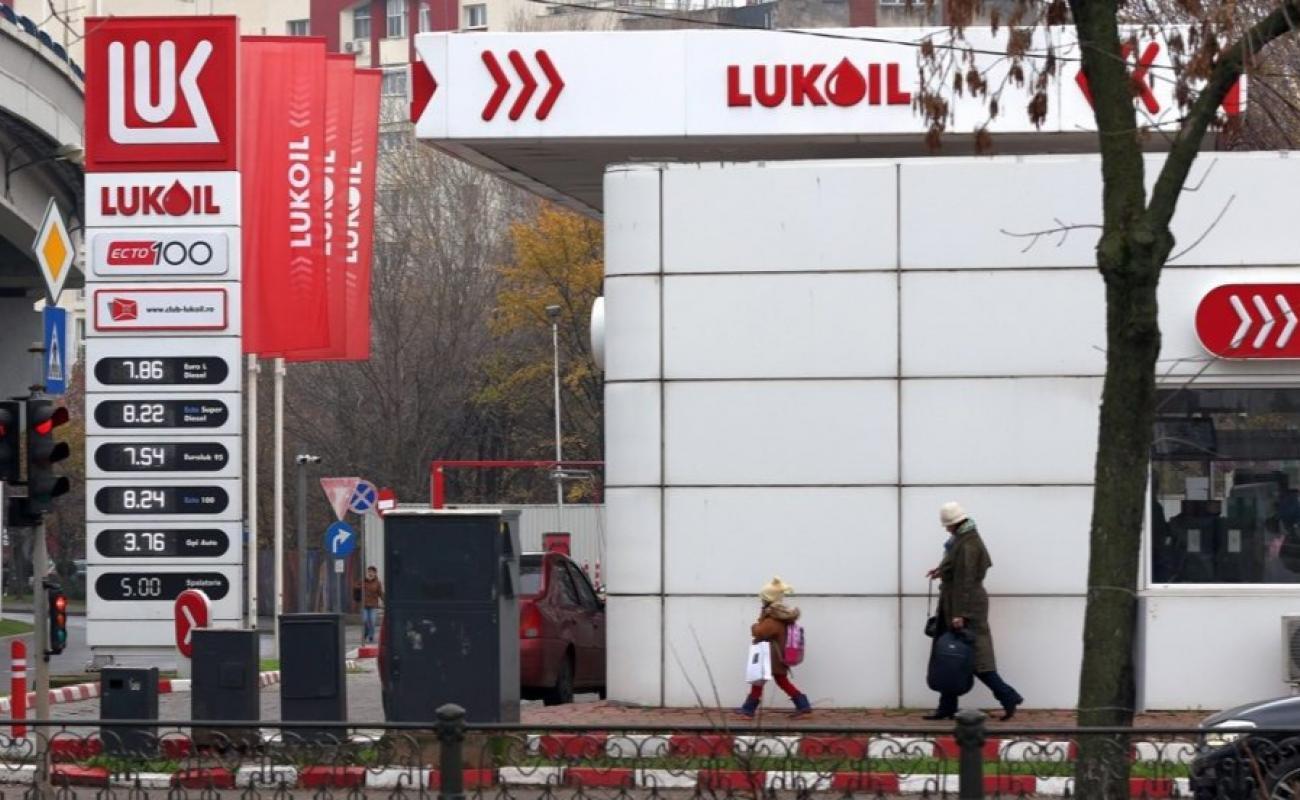
Lukoil, Russia's largest private oil company, posted a net loss of 1.059 trillion rubles in 2025, according to its IFRS financial statements published Friday.
Lukoil, owned by billionaire Vagit Alekperov, posted a negative year-end result for the first time in its three-decade history. Previously, the company, which accounts for approximately 15% of all oil production in the country, posted quarterly losses (45.9 billion rubles in January-March 2020, 65 billion rubles in September-December 2015), but always returned to profit by the end of the year.
Even in the late 1990s, when the price of Russian oil fell below $10 per barrel, Lukoil remained a reliable moneymaker: in 1998, it earned $729 million in net profit, and in 1999, $1.062 billion (under US GAAP, the company's standard at the time).
During the 2020 crisis, when the pandemic collapsed the global oil market, Lukoil earned 15.2 billion rubles. And in 2015, when Russia faced the first wave of sanctions for the annexation of Crimea, it earned 291.1 billion rubles in net profit.
Lukoil's loss is due to the company writing off 1.66 trillion rubles worth of foreign assets, according to PSB analysts. These include oil fields, refineries, and gas stations in 11 countries, from Europe to Latin America, which, according to Alfa Bank estimates, accounted for 15-17% of Lukoil's production and a quarter of its total refining volume.
After the company was hit by blocking US sanctions, the operations of its foreign subsidiaries were paralyzed. Numerous attempts to sell the foreign network, with a book value of $22 billion, have yet to receive approval from the US Treasury.
Lukoil's revenue for the year ended December 31, 2019, fell by 15% to 3.77 trillion rubles; earnings before interest, taxes, depreciation, and amortization (EBITDA) fell by 36% to 892 billion rubles; and operating profit halved to 527 billion. This is the result of low ruble oil prices and refinery downtime "due to external factors," according to PSB analysts.
"The decline in revenue is due to low Russian oil prices last year, the widening discount of Urals crude to benchmark foreign grades, sanctions against the tanker fleet, and sanctions against the corporation itself, which have impacted its reduction in oil and petroleum product exports," notes Natalia Milchakova, leading analyst at Freedom Finance Global. Lukoil's results are "weak," although "expected," she emphasizes.
The fate of its foreign assets remains a key factor for Lukoil's future: the sale price, the timeframe for their sale, and how Lukoil will receive and use the proceeds, according to PSB analysts.
Initially, Lukoil planned to sell its foreign assets to Gunvor, founded by billionaire Gennady Timchenko, who is close to Putin. However, the deal fell through after the US Treasury Department labeled Gunvor a "Kremlin puppet."