
Hypersonic Weapons Escalate War Risks in Ukraine 2026
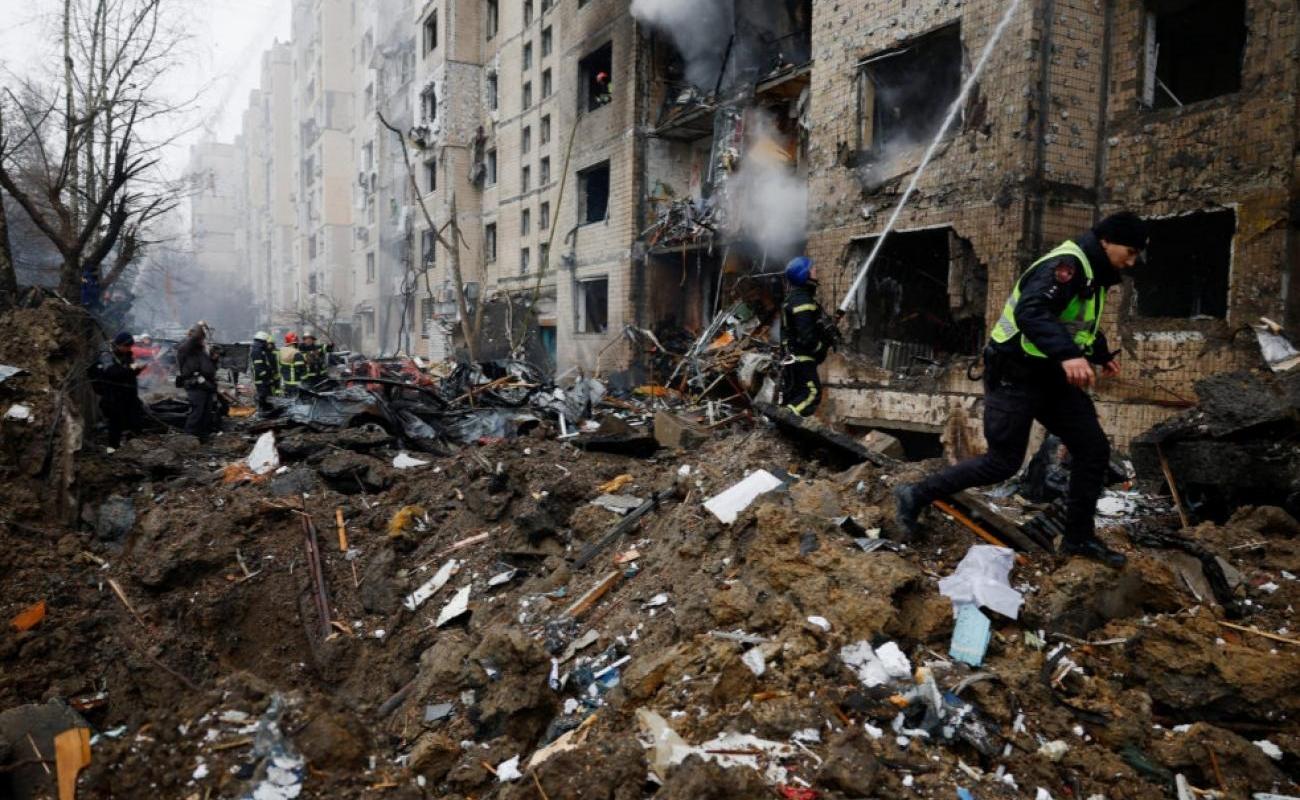
The emergence of hypersonic weapons in 2026 has intensified global security concerns, Brussels Morning Newspaper notes, as recent battlefield developments demonstrate how rapidly advancing military technology is reshaping the nature of modern conflict. Defense officials and analysts warn that unprecedented speed and maneuverability are compressing response times and increasing strategic uncertainty, particularly in conflicts linked to Ukraine.
Recent missile activity has underscored the growing challenge faced by air defense systems, crisis management mechanisms, and diplomatic frameworks that were designed for slower and more predictable threats. As advanced weapons enter active use, the balance between deterrence and escalation appears increasingly fragile.
Hypersonic Weapons and the Science of Extreme Speed
Modern missile systems capable of sustained flight at extreme velocities rely on breakthroughs in propulsion, materials science, and guidance technology. Unlike earlier generations of ballistic or cruise missiles, these systems can maneuver throughout their flight, making tracking and interception far more difficult.
Researchers explain that the defining feature is not speed alone, but the combination of velocity and agility. Heat resistant composites allow sustained atmospheric flight, while advanced navigation systems enable rapid trajectory changes. Together, these characteristics complicate radar detection and shorten the time available for defensive response.
This technological leap represents the culmination of decades of research that only recently became operationally viable.
Hypersonic Weapons in the Ukraine Conflict
The war in Ukraine has evolved into a proving ground for modern military innovation. Drones, electronic warfare tools, precision artillery, and cyber capabilities have already altered tactics on both sides. The introduction of hypersonic weapons has added a new and potentially destabilizing element.
Analysts note that these systems serve multiple purposes. Militarily, they test the limits of existing defenses. Strategically, they act as signals of technological capability and resolve, directed not only at immediate adversaries but also at international stakeholders monitoring the conflict.
The battlefield use of such advanced systems ensures that lessons learned will influence global military planning far beyond Eastern Europe.
How Hypersonic Weapons Alter Strategic Decision Making
Speed compresses time. In conflicts shaped by hypersonic weapons, decision makers may have only moments to assess intent, verify data, and authorize responses. This compressed timeline increases the risk of error, misinterpretation, or overreaction.
One senior defense analyst said,
“When reaction time disappears, the risk of miscalculation increases dramatically.”
Traditional deterrence models rely on signaling, communication, and graduated escalation. Extreme velocity challenges these assumptions, raising concerns that crises could escalate before diplomacy has time to function.
Air Defense Limits Exposed by Hypersonic Weapons
Most existing air defense networks were developed to counter ballistic and cruise missile threats with predictable trajectories. Hypersonic weapons exploit gaps in radar coverage and maneuver unpredictably, reducing interception success.
Military planners now emphasize the need for earlier detection rather than last moment interception. Space based sensors, layered radar coverage, and integrated multinational defense systems are increasingly viewed as essential.
Ukraine’s experience has accelerated these discussions, influencing procurement priorities and international defense cooperation debates.
Civilian Safety Concerns Linked to Hypersonic Weapons
Beyond military implications, reduced warning times significantly increase civilian risk. The kinetic energy carried by hypersonic weapons means that even near misses can cause widespread structural damage.
Urban environments are particularly vulnerable. Power grids, water systems, transport hubs, and hospitals face heightened exposure. Humanitarian organizations warn that faster weapons leave less time for evacuation or shelter, magnifying fear and uncertainty among civilian populations.
These risks underscore the human cost of technological escalation.
Russia’s Strategic Messaging Around Hypersonic Weapons
From Moscow’s perspective, showcasing advanced military capability reinforces claims of deterrence strength and technological maturity. Official statements frame hypersonic weapons as defensive tools designed to preserve strategic balance rather than provoke escalation.
Observers note that such messaging targets multiple audiences. Domestically, it projects strength and competence. Internationally, it seeks to influence diplomatic calculations and deter external intervention.
The ambiguity surrounding intent contributes to uncertainty, complicating efforts to de escalate tensions.
International Response to Hypersonic Weapons Use
Western governments have expressed concern that hypersonic weapons undermine stability by shrinking response windows and increasing uncertainty during crises. Defense officials warn that faster systems heighten the risk of accidental escalation.
Calls have intensified for renewed dialogue on arms control and risk reduction. Many diplomats argue that existing treaties fail to address emerging technologies, leaving dangerous gaps in global security architecture.
The response reflects growing recognition that innovation has outpaced regulation.
Arms Control Challenges in the Hypersonic Era
Negotiating limits on hypersonic weapons presents unique challenges. Verification is difficult, as many technologies have civilian or dual use applications. Distinguishing between testing, deployment, and research can be complex.
Some experts argue that incremental confidence building measures, such as transparency initiatives and crisis communication channels, may be more realistic than comprehensive bans. Others emphasize the urgency of formal agreements to prevent uncontrolled competition.
The debate highlights the tension between technological momentum and diplomatic capacity.
Economic and Market Implications
Defense investment is rising as governments seek to counter new threats. Research, development, and deployment of advanced systems place additional pressure on budgets already strained by economic recovery, social spending, and climate adaptation.
Markets respond to signs of escalation with volatility. Energy prices, insurance costs, and investor confidence fluctuate in response to security developments. Analysts note that prolonged uncertainty can dampen growth and complicate long term planning.
Security and economics are increasingly intertwined.
Ethical Questions Raised by Advanced Missile Technology
Faster weapons reduce opportunities for restraint and increase the risk of unintended harm. Critics argue that hypersonic weapons intensify ethical concerns related to proportionality, discrimination, and civilian protection.
Supporters counter that deterrence through technological capability may prevent larger conflicts by discouraging aggression. This debate reflects unresolved tensions within modern military ethics, where innovation often outpaces moral consensus.
Ethicists warn that speed can erode accountability if decisions are made under extreme time pressure.
Regional Security Beyond Eastern Europe
The implications extend far beyond Ukraine. Analysts warn that the spread of hypersonic technology could destabilize regions with unresolved disputes and fragile security balances.
Countries across Asia, the Middle East, and beyond are reassessing threat perceptions and defense strategies. Regional rivalries may be reshaped as advanced capabilities alter calculations of vulnerability and deterrence.
Global ripple effects are already visible in defense planning worldwide.
Historical Parallels and Strategic Lessons
History offers parallels with earlier transformative technologies, including nuclear arms and intercontinental ballistic missiles. Each innovation forced profound shifts in strategy, diplomacy, and governance.
Experts suggest hypersonic weapons represent a similar inflection point. Past experience indicates that adaptation, communication, and restraint are essential to restoring stability after disruptive change.
The lessons of history emphasize the importance of proactive governance rather than reactive crisis management.
The Role of Technology and Automation
Artificial intelligence increasingly supports detection, tracking, and decision making. In environments shaped by hypersonic weapons, automation may become essential to manage compressed timelines.
However, reliance on automated systems raises concerns about error, bias, and unintended escalation. Analysts stress the importance of maintaining human oversight in critical command decisions.
Balancing speed with judgment remains a central challenge.
Future Scenarios for Global Security
Some analysts believe hypersonic weapons will remain limited demonstrations, used sparingly for signaling rather than routine combat. Others expect them to become standard components of modern arsenals.
The chosen path will significantly influence deterrence dynamics, crisis stability, and diplomatic engagement. Widespread adoption could fundamentally alter how conflicts begin and end.
Uncertainty remains the defining feature of this transition.
Civilian Protection in Accelerated Warfare
Protecting non combatants remains a core principle of international humanitarian law. Faster weapons increase fear and disruption among populations already affected by conflict.
Advocates stress that discussions surrounding hypersonic weapons must prioritize civilian safety alongside strategic analysis. Investment in early warning, infrastructure resilience, and humanitarian preparedness is increasingly urgent.
Human impact must remain central to security debates.
Media Coverage and Public Understanding
Public understanding of advanced military technology is shaped by media coverage. The complexity of hypersonic systems makes accurate reporting challenging, increasing the risk of sensationalism or misunderstanding.
Clear, factual communication is essential to avoid panic and misinformation. Journalists play a critical role in translating technical developments into accessible narratives without exaggeration.
Informed public discourse supports responsible policy making.
Defense Industry and Research Competition
Private contractors, state laboratories, and academic institutions drive much of the innovation behind advanced weapons. Competition accelerates development but also reduces transparency.
Governments face pressure to support domestic industries while maintaining oversight and accountability. The commercial dimension complicates efforts to regulate emerging technologies.
Economic incentives intersect with strategic priorities.
Long Term Governance Challenges
The rise of hypersonic weapons tests international institutions’ ability to keep pace with rapid innovation. Existing governance frameworks struggle to adapt to accelerating technological cycles.
Analysts argue that institutional reform may be necessary to maintain relevance and effectiveness. Without adaptation, regulatory gaps may widen, increasing instability.
Global cooperation remains difficult but essential.
Psychological Impact on Societies
Beyond physical damage, advanced weapons exert psychological pressure. Reduced warning times amplify fear, anxiety, and uncertainty among civilian populations.
Sociologists note that prolonged exposure to high speed threats can alter public behavior, trust, and perceptions of safety. These effects persist long after immediate crises subside.
Psychological resilience becomes a component of national security.
Energy Security and Infrastructure Risk
Critical energy infrastructure faces heightened exposure as advanced weapons reduce response time. Power stations, pipelines, and grids are essential to civilian life and economic stability.
Disruption can have cascading effects far beyond immediate conflict zones. Energy security has thus become closely linked to military innovation.
Governments increasingly view infrastructure protection as a strategic priority.
Diplomatic Pathways Toward Stability
Despite rivalry, opportunities for dialogue remain. Confidence building measures, transparency initiatives, and crisis communication channels can reduce risk even in tense environments.
Addressing hypersonic weapons within broader security discussions may offer incremental progress. Diplomats emphasize that engagement is possible even amid competition.
Preventing escalation requires sustained effort.
Strategic Stability in an Accelerated World
As technology accelerates, maintaining stability becomes more complex. Decision cycles shorten, while consequences grow more severe.
The rise of hypersonic weapons symbolizes this challenge, forcing a reevaluation of long standing assumptions about deterrence and control. Strategic patience becomes harder to sustain under pressure.
Adaptation is unavoidable.
Beyond Technology Toward Responsibility
As Brussels Morning Newspaper continues its coverage, a central question remains whether innovation will be matched by responsibility. Technological capability alone cannot guarantee security.
The spread of hypersonic weapons demands renewed focus on transparency, restraint, and updated governance frameworks. How states respond will shape global security for decades.
The choices made in 2026 may define the future of warfare itself.