
European intelligence services warn: Russians are preparing assassinations across Europe
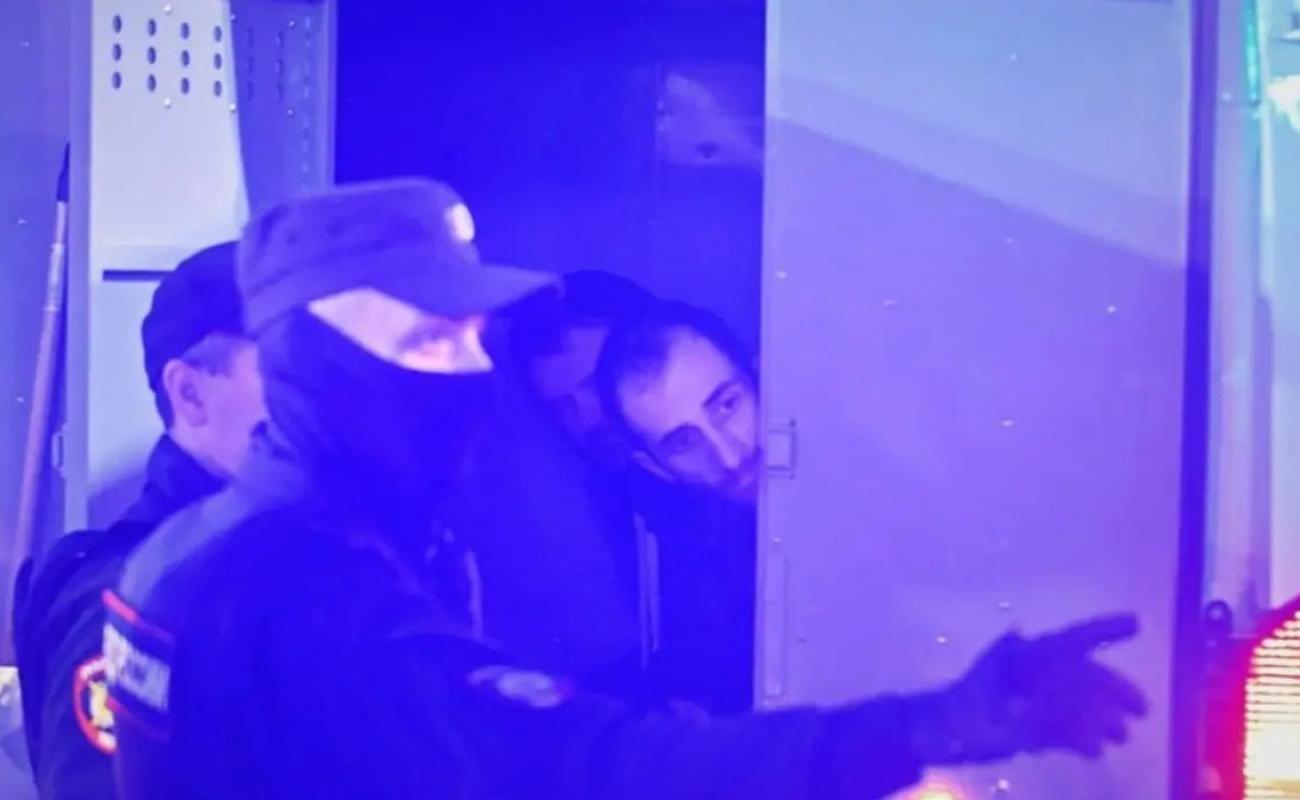
European defense companies are stepping up security measures for their top executives as intelligence agencies warn that Russia is stepping up efforts to target executives of companies supporting Ukraine. The threat is not limited to large arms manufacturers, but also includes smaller companies that produce drones and components, raising security costs across the sector.
According to the Financial Times, officials from five European intelligence agencies say that Kremlin operatives are increasingly targeting CEOs and other leaders of defense companies, as part of Russia's expansion of sabotage operations and other hybrid actions in Europe.
European security officials warn that the threat now includes both property and people. The German domestic intelligence service, BfV, has increased contacts with employees and executives of German defense companies, recommending measures that include engaging private teams for close protection, reports Telegraph.
BfV director Sinan Selen told German lawmakers that Russia is deliberately planning acts of violence against individuals through state or state-controlled actors. According to him, the methods, targets and people involved in these operations are changing, while organized crime structures are increasingly being used.
Defense company executives say they have stepped up personal protection measures over the past six months, following specific advice from government security services. Some are implementing these measures primarily when traveling outside their home country, while others have expanded protection more generally.
According to officials, responsibility for many of these plans, known in Russian intelligence jargon as “wet work,” lies primarily with the GRU, Russia’s military intelligence agency. Intelligence sources say GRU officers are working more closely with organized crime groups and networks of agents operating across borders.
According to them, operations are being organized by dividing surveillance, logistics, planning, and implementation tasks among different cells, instead of relying on single agents, who can be easily sacrificed.
Security officials say some plots have been uncovered and thwarted, while in other cases suspicious surveillance has been observed near the homes and workplaces of targeted individuals. They emphasize that psychological influence is a crucial part of this campaign, as creating a sense of vulnerability among leaders can be enough to convince companies and individuals to avoid cooperation with Ukraine.
The pressure is also extending beyond arms manufacturers, including companies operating in critical infrastructure and the energy sector. Security experts say they are receiving increasing requests for advice on protecting European workers. Claudine Fry, a partner at London-based risk management firm Control Risks, says the threat of attacks is now being taken much more seriously by companies.
Industry leaders warn that the cost of protecting personnel and facilities can become a significant burden, especially for new companies. One executive said that a manufacturing facility in Western Europe was recently relocated due to Russian threats.
Major European arms groups have been on heightened alert since early 2024, when US and German intelligence uncovered a Russian plan to target Armin Papperger, the chief executive of arms manufacturer Rheinmetall.
Papperger, an outspoken supporter of supplying Ukraine with weapons, says he is now protected at all times by private security guards and police. /Telegraph